The 30-Second Summary
- Gambling merchants face three common problems: protecting customer data, withdrawing funds to bank accounts and keeping chargebacks under the allowed level.
- Choose a payment gateway that puts customer security first and understands how gambling businesses work.
- With PayDo, onboarding takes 3–5 business days, and client funds are kept separate from operational funds.
Online gambling has already become not only fun, but also a global business, that encompasses all the world. For 2021, the global online gambling market is estimated at $ 72.02 billion and is forecasted to grow by 12% by 2025.
Growing urbanization and the digitalization of technologies around the world are the main drivers of the industry’s growth. In addition, more and more countries are developing bills to legalize the gambling business.
Users have the opportunity to play legally without fear that their accounts and all funds will be blocked. At the same time, entrepreneurs get more opportunities to expand their business, improving players’ user experience. However, gambling is still considered a high-risk niche, which requires an appropriate approach to monetary transactions.
One of the major decisions a merchant must make is choosing a payment gateway for online gambling. In this article, we will consider the main problems gambling merchants face and get acquainted with the criteria for choosing a payment gateway.
What issues do gambling merchants often face?
- Protection of personal information. Online gambling pays a lot of attention to security. The security of customer data is a top priority for any business. Only during the pandemic period, the number of frauds in the gambling business increased by 55%. Therefore, when choosing a payment gateway, you should pay attention to how secure the system is from fraudsters.
- Withdrawal of funds. Gambling is considered a high-risk business in many countries. It means that such companies have difficulties trying to withdraw funds to a bank account. In addition, many payment gateways have restrictions on the amount of withdrawal.
- High level of chargebacks. There is a maximum chargeback level for each business area, upon which additional restrictions/requirements are imposed on the company. Fraudulent transactions often cause chargebacks, so the payment gateway should provide the maximum level of security.
Since online gambling companies must adhere to safe gambling practices, keep minors out of gambling, and maintain responsible gambling, they need to partner with a gateway that understands the business’s unique needs.
What are the key criteria for choosing a payment gateway for gambling?
Based on the above pains, we have compiled a list of key criteria that will help you answer the question – which payment gateway is most suitable for gambling?
- Security. Customer protection is the first thing a payment gateway should provide. The most advanced fraud detection and prevention methods are based on artificial intelligence and machine learning. Thanks to this, fraudulent transactions can not only be detected and blocked on time but also prevented from occurring in the future;
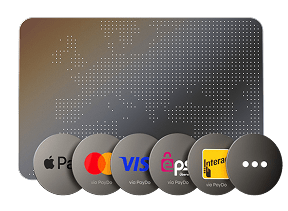
- Availability. Any user must be able to make a payment from anywhere in the world using a convenient method. The more payment methods the gateway provides, the better;
- Transaction throughput. Transaction throughput is the ratio of successful transactions to the total number of attempts as a percentage. The more reliable the payment gateway, the higher this indicator;
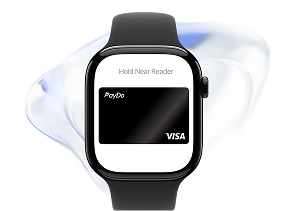
- Payment methods. The system should provide various payment options that are convenient for buyers, both local and international;
- Technical support. The gateway company must provide professional technical support to answer all customer questions and help resolve any dispute.
What can PayDo, as a payment intermediary, offer online merchants?
PayDo provides global financial solutions for business clients, combining payment processing and dedicated accounts under strict regulatory standards.
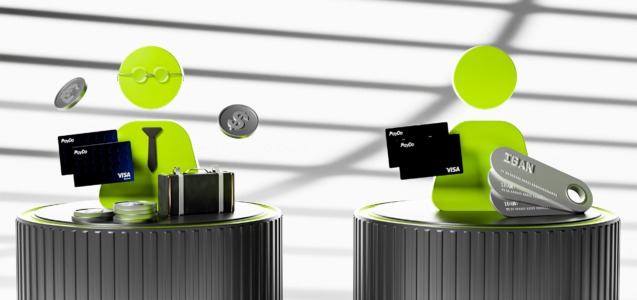
We issue European IBAN details for payments to legal entities and individuals. Business clients can manage financial flows and send and receive SEPA, SWIFT, and TARGET2 payments. In addition, we offer your business a full-fledged payment gateway and merchant account with various payment methods and support for international acquiring.
Frequently Asked Questions
How fast is the onboarding process for gambling merchants with PayDo?
The standard onboarding process takes between 3 to 5 business days for verified high-risk business applications.
What payment methods are supported for iGaming platforms?
PayDo supports international card acquiring, SEPA Instant transactions, and local payment methods tailored for regulated gaming.
Are client funds kept separate from operational funds?
Client funds are stored safely apart from operational funds in tier-1 European banks.
Learn more about PayDo Quick Checkout.