Many people use digital wallets. The latest survey by Juniper Research predicts that digital wallets will be used to transact over $16 trillion in payments by 2028, compared to just $9 trillion in 2023.
Digital wallets are a popular alternative to traditional payment methods.
But, what are they? Let’s find out in the article that follows.
The foundations of a digital wallet
A digital wallet, also called an e-wallet, is a software platform. It securely stores users’ payment information and helps with electronic transactions.
Digital wallets are a virtual version of a physical wallet. They allow users to buy things online, send money, and do financial transactions. You can do all this without needing cash or cards.
Digital wallets can also store:
Gift and loyalty cards
Membership cards
Coupons
Event tickets
Plane and transit tickets
Hotel reservations
Identification documents
What are the primary components of a digital wallet?
The key components of digital wallets include:
Storage. Digital wallets keep users’ credit card details and bank account info secure. They also keep other payment methods safe.
Transaction. They help transactions by securely sending payment information to merchants. They also enable peer-to-peer money transfers.
Security. Digital wallets often come with embedded safety features. These include encryption, biometric authentication, and tokenization. Such measures protect users’ sensitive financial information and ensure payment security.
Top eight digital wallets on the market
We have looked at the basics of digital wallets. Now, it is a good time to see what options are on the market. Here’s a brief overview of some of the prominent digital wallets:
1.Apple Pay
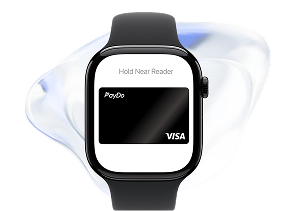
This e-wallet allows users to make payments using their Apple devices, including iPhones, Apple Watches, iPads, and Macs.
Key features include secure transactions via Touch ID or Face ID, integration with Apple devices, and support for in-store and online purchases.
2. Google Pay
Google Pay is a digital wallet created by Google. This wallet enables users to make payments with Android phones, tablets, or watches. It integrates with various Google services.
Key features are contactless payments, integration with loyalty programs, peer-to-peer transactions, and support for online purchases.
3. PayPal
Another popular e-wallet is PayPal. It is a widely used online payment platform that delivers multiple financial services, including a digital wallet. Users can link their bank accounts and cards to make transactions.
Key features are broad acceptance, international transactions, buyer and seller protection, and support for online shopping.
4. Samsung Pay
Samsung Pay stands as a mobile payment service crafted by Samsung Electronics. It supports both NFC (Near Field Communication) and MST (Magnetic Secure Transmission) technologies, making it compatible with a wide range of terminals.
A few of the key features of Samsung Pay are wide compatibility, integration with Samsung devices, MST technology for broader acceptance, and secure authentication methods.
5. Venmo
Venmo, owned by PayPal, is a peer-to-peer payment app that allows users to send and receive money easily. It’s popular among friends for splitting bills and making casual payments.
Some of the positive features include a social feed for transactions, simplicity in sending/receiving money, integration with social networks, and a card for physical transactions.
6. Cash App
Cash App, developed by Square, is a peer-to-peer payment app that allows users to send and receive money, invest in stocks, and even get a Cash Card for physical transactions.
The wallet functionality provides direct deposit, Cash Card for physical transactions, Bitcoin support, and a simple interface.
7. Alipay
Alipay, operated by Ant Group, is a leading digital payment platform in China. It offers a wide range of financial services beyond payments, including loans and investment options.
Among its key features are extensive services, QR code payments, integration with lifestyle features, and dominance in the Chinese market.
8. PayDo
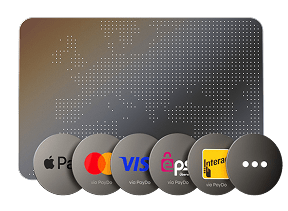
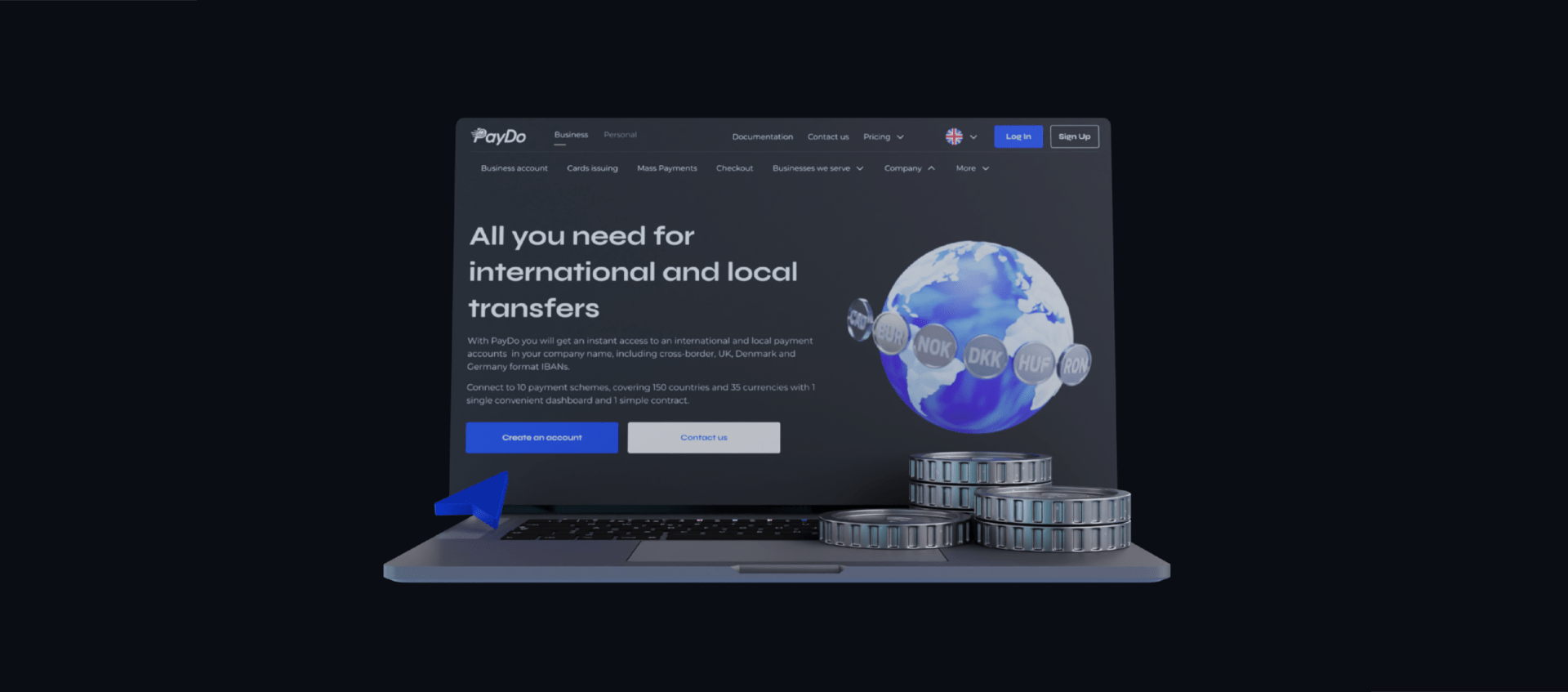
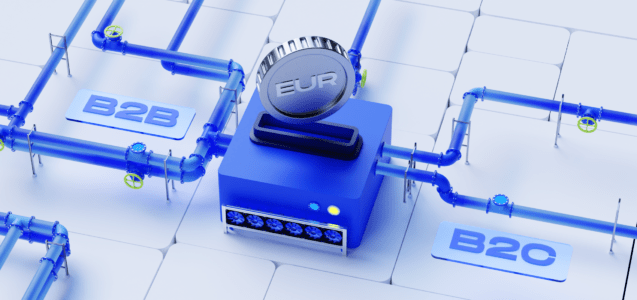
Founded in 2017 by a team of experienced and ambitious professionals, PayDo has evolved significantly over the years. Initially starting as an e-wallet to meet the burgeoning demand for convenient financial services, it has since expanded its offerings to cater to both business-to-business (B2B) and business-to-consumer (B2C) sectors.
The key advantages PayDo offers now:
Different top up options.
Dedicated IBANs in 35 currencies working for more than 150 destinations and connected to 9 payment schemes.
One contract and one dashboard for everything.
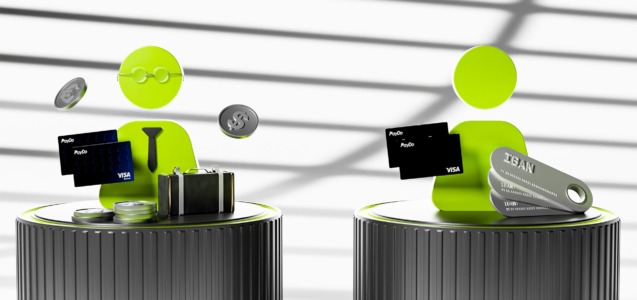
VISA EUR physical and virtual cards (soon).
Similarly, as digital wallets have become more appealing than traditional payment methods, PayDo has become a FinTech solution aimed at making finances convenient. What is most important, there is much more to PayDo than one might expect.
Bottom line
Digital wallets are changing how we manage money. They make transactions quicker, easier, and more secure.
The key aspect—look for platforms that know how to make the best out of a digital wallet. In the next piece we will help you understand how to choose the best digital wallet out there.
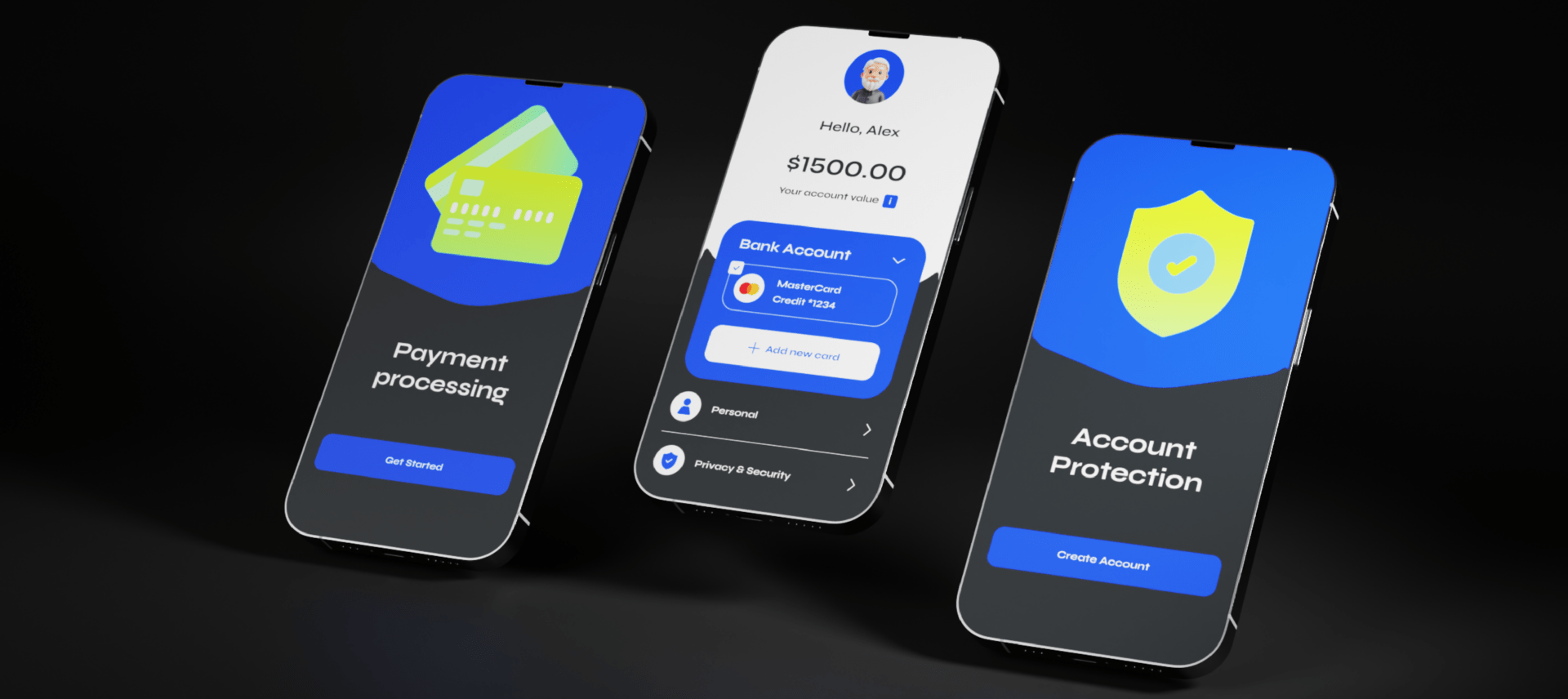
At the moment, you can create your Personal or Business Account and explore the benefits of managing finances in one place.
The 30-Second Summary The fastest way for a digital goods platform to pay sellers in Europe and the UK is an instant transfer: SEPA Instant for euros and Faster Payments...
The 30-Second Summary Low transaction fees look like the obvious way to compare payment providers. Skin store owners start with the rate on the price sheet because it is the...
The 30-Second Summary A payment gateway for a game key store has one job: get buyers’ card payments approved and keep the account open as volume grows. For game key...
The 30-Second Summary SEPA Instant sends euros within the SEPA area in up to 10 seconds, 24/7. SWIFT works in almost any currency, but a transfer usually takes 1–2 business...
The 30-Second Summary In the fast-paced and ever-changing iGaming industry, what are the current best online casino payment methods? Today, we are taking a snapshot for 2025, when the iGaming...
The 30-Second Summary A Money Services Business (MSB) is a type of financial institution that offers various money-related services, such as money transfers, currency exchange, and check cashing. It is...
The 30-Second Summary Electronic Money Institutions (EMIs) and Money Services Businesses (MSBs) are becoming more and more popular. EMIs focus on digital transactions, providing electronic payment services and digital currency...
The 30-Second Summary Phishing remains a major cybersecurity threat, targeting individuals and businesses through fraudulent emails, messages, and websites. According to the Anti-Phishing Working Group (APWG), 3.8 million phishing attacks...
The 30-Second Summary As digital payments continue to grow, payment fraud remains a significant concern. According to Alloy’s 2026 State of Fraud Report, 67% of surveyed financial institutions and fintechs...
The 30-Second Summary A bank account ownership certificate, also known as a bank account certificate or proof of account ownership, is a document that says your bank account actually belongs...
The 30-Second Summary A Company Registration Number (CRN) is a code a business gets during incorporation. It acts as a distinct identifier for your company. It helps to differentiate your...
The 30-Second Summary Imagine each bank branch with its unique postal code — that’s what a branch code or sort code is in the financial world. It’s a set of...