An affiliate network collects money from advertisers, holds it while conversions are validated, then pays its publishers in one run. The payment setup decides whether that run leaves on the date written in your terms.
How affiliate payout cycles work
Networks hold each commission for a validation period and then pay it on published terms such as Net-30. The hold gives refunds, chargebacks and cancellations time to surface before money leaves the account.
Net-30 is the most common term. High-volume publishers often negotiate weekly or bi-weekly payouts, and minimum thresholds roll small balances into the next run. With a 30-day hold and Net-30 from approval, a sale made in early March reaches the publisher in early May.
Publishers compare networks on payout reliability as closely as on rates. A network that misses a payout date loses its best publishers to networks that pay on time.
Where payout runs break
Payout runs most often stall on the account they are sent from. The common causes:
- A spike on payout day. Outgoing volume jumps far above the daily average, and accounts built for steady small-business flows can hold the payments for review.
- Manual files. Payment lists built in spreadsheets and uploaded by hand lead to wrong names and account numbers.
- Name mismatches. Since 9 October 2025, payment providers in the euro area check the payee name against the IBAN before every transfer. A publisher paid under a personal name while the account belongs to their company gets a mismatch warning.
- Wrong currency. UK publishers expect GBP. Paying them in EUR moves the conversion cost to them.
Which payment rails to use for publisher payouts
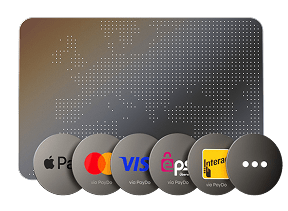
For publishers in the euro area, SEPA transfers and SEPA Instant cover most payouts. UK publishers expect GBP, and SWIFT covers the rest of the world at a higher cost and lower speed.
Euro-area banks have had to send instant euro payments since 9 October 2025, at a price no higher than a standard transfer. E-money and payment institutions in the euro area follow on 9 April 2027.
| Rail | Currency | Typical speed | Use for |
|---|---|---|---|
| SEPA credit transfer | EUR | Same or next business day | Regular payout runs in the euro area |
| SEPA Instant | EUR | Within 10 seconds, 24/7 | On-demand withdrawals and fast payouts |
| UK domestic payment | GBP | Usually same day | UK publishers |
| SWIFT | Most currencies | Hours to several days | Publishers outside SEPA and the UK |
How payouts via API work
An API connects your network platform to the payment account. Approved commissions become payments without a file upload.
A typical flow: the tracking platform calculates approved commissions, finance reviews the totals, the platform sends payout requests via API, and payment statuses return to the publisher dashboard. An approval step keeps control in finance: one team member prepares the run and an admin releases it.
Cards for ad spend
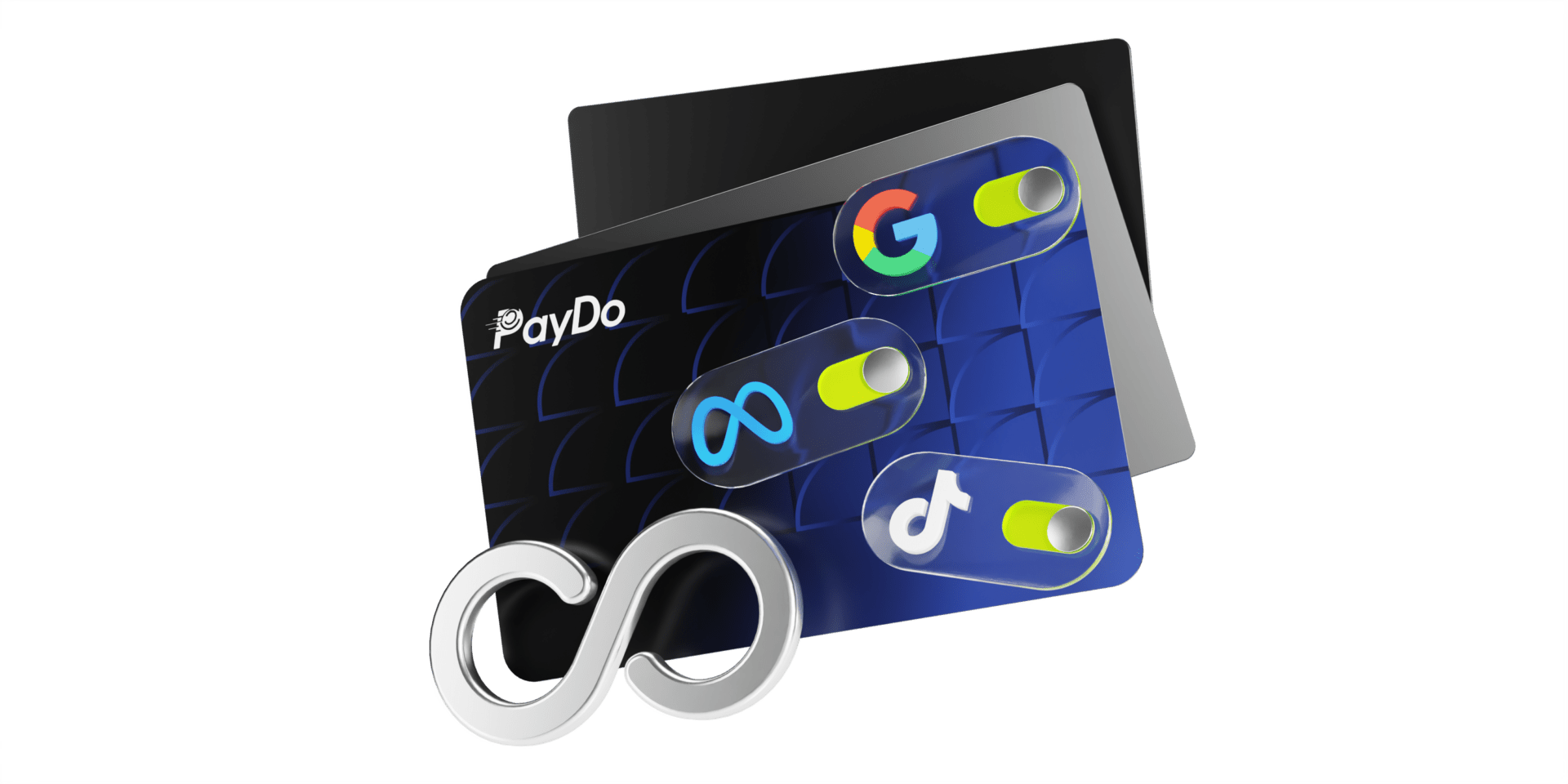
Media buying teams work best with a separate virtual card per buyer or per ad account. Spend stays split by campaign, and a blocked card does not stop the rest of the team.
Merchant category blocking limits each card to the purchases it is meant for, such as advertising platforms and software.
International transfers taking days?
Direct SEPA and SWIFT access and contractor payouts from one business account.
See business transfersWhat to check in a payout account for an affiliate network
| Question | Why it matters |
|---|---|
| Is my business model accepted in writing before onboarding? | Avoids a closure after you start paying out |
| What happens to a payout run that is many times my daily volume? | Payout day is when accounts get held |
| Which currencies and rails can I pay out in? | Publishers expect their local currency |
| Can I send payouts via API with an approval step? | Removes manual files and keeps finance in control |
| Can team members get separate roles? | Media buyers, finance and admins need different access |
| Who do I contact when a payment is held? | Self-serve support costs days on payout day |
Why PayDo fits affiliate and ad networks
PayDo gives affiliate and ad networks one business account for advertiser payments, publisher payouts and ad spend. See PayDo for affiliate networks.
- Model agreed up front. Your business model is confirmed before onboarding, and the account opens in 3–5 business days.
- Payouts via API. EUR and GBP payouts sent from your platform, with euro payouts over SEPA and SEPA Instant.
- Incoming payments. A dedicated IBAN in your company’s name for advertiser payments.
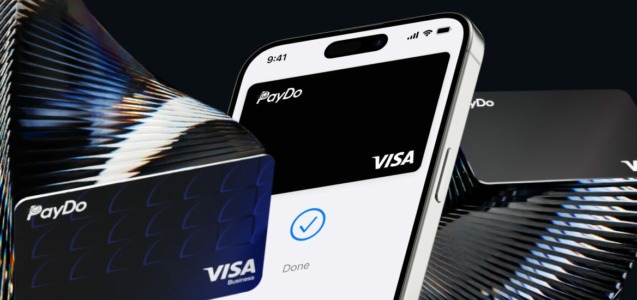
- Cards for ad spend. Virtual and physical business cards with no limit on the number of cards, plus merchant category blocking.
- Roles and approvals. Seven team roles, with a flow where one member creates a payment and an admin approves it.
- A dedicated account manager for every business client.
FAQ
What payout terms do affiliate networks use?
Most networks pay on Net-15 to Net-60 terms, and Net-30 is the most common. High-volume publishers often negotiate weekly payouts.
How do affiliate networks pay publishers in different countries?
Networks pay euro-area publishers over SEPA or SEPA Instant, UK publishers in GBP, and publishers elsewhere over SWIFT. Paying in the publisher’s local currency avoids conversion costs on their side.
Can an affiliate network send payouts via API?
Yes. The network platform sends approved commissions to the payment account via API, so payouts go out without manual file uploads.
What is Verification of Payee and how does it affect payouts?
Verification of Payee checks the recipient’s name against the IBAN before a euro transfer. It has applied in the euro area since 9 October 2025, so publisher names in your system must match their account holder names.
Which cards suit ad spend for an affiliate network?
Virtual cards issued per media buyer or per ad account keep spend separate and easy to reconcile. Merchant category blocking keeps each card limited to advertising and software purchases.