
The 30-Second Summary
- Online is close to half of the gambling market. H2 Gambling Capital estimates online gross gaming revenue at $293 billion in 2024 and expects online to take more than half of global gambling revenue for the first time in 2029, at 50.3%.
- Players expect instant deposits and same-day withdrawals. Since October 2025, euro-area payment providers must let clients send instant euro payments, and the €100,000 per-transaction cap on SEPA Instant was removed on 5 October 2025.
- PayDo gives iGaming operators card acceptance, a dedicated IBAN and player payouts via API in one account, with onboarding in days instead of the usual 2–3 months.
iGaming payment technologies are the methods and systems operators use to take player deposits and pay out winnings: cards, e-wallets, bank transfers, local methods and the provider stack behind them. Over the past decade the focus moved from accepting cards to fast payouts, fewer declines and fewer providers per operator.
Online is close to half of gambling revenue
H2 Gambling Capital forecasts global gambling revenue at $1,031 billion in 2030, the first time it crosses $1 trillion, with $530 billion of that coming from online. Online share forecasts put the crossover point, when online overtakes land-based, in 2029.
Europe is further along. European gambling revenue reached about €123.4 billion in 2024, up 5% on the year before, and online channels generated just under €47.9 billion of it, around 39%.
Cards still lead, but the mix depends on the country
No single deposit method wins everywhere. In a 2026 survey of bettors across North America, Europe and Latin America, cards were used by 66% of bettors worldwide, but only 2% in Brazil and 17% in India, against 63% in France and 58% in Italy. Digital wallets account for about 38% of iGaming payments globally, rising to 52% in Argentina and 44% in the US.
Where cards are used less, local instant rails take over. Brazil introduced a clear regulatory framework in 2025, and its instant payment system PIX now dominates local deposits and withdrawals.
Card deposits also fail more often than other online purchases. Gambling payments carry merchant category code 7995, and many issuing banks decline or restrict that code by default. Some regulators go further. In Great Britain, gambling with credit cards has been banned since 14 April 2020 (Gambling Commission).
E-wallets made deposits instant
E-wallets such as Skrill, Neteller and PayPal (in markets where PayPal accepts gambling merchants) let players deposit without typing card details on every site. The wallet holds the card, bank details or a balance, and the player confirms the payment with a password or biometrics.
For operators, wallets reduce reliance on card approvals. Wallet providers charge their own fees on top, and each wallet is one more provider to integrate and reconcile. In Great Britain the credit card ban covers wallets too: operators can accept e-wallet payments only if they can block credit card funding inside the wallet.
Instant bank transfers changed withdrawals
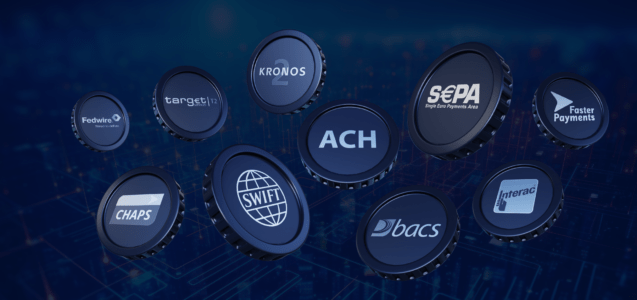
In Europe, the biggest change came from instant transfers. SEPA Instant moves euros between accounts in up to 10 seconds, 24/7, including weekends. EU instant payment rules brought it into the mainstream in two steps. From 9 January 2025, euro-area payment providers could no longer charge more for instant payments than for regular transfers. From 9 October 2025, they had to let clients send instant euro payments and check the name of the beneficiary. The €100,000 per-transaction limit on SEPA Instant was removed on 5 October 2025. For an operator, same-minute withdrawals for euro players are now a realistic standard.
Pay-by-bank deposits use the same rails in the other direction: the player approves a transfer in their own banking app. Card declines don’t apply, and a bank transfer can’t be charged back the way a card payment can.
Deposit rules got stricter in 2025 and 2026
Regulators expect operators to spot harmful play, and payment data shows it first: deposit frequency, failed deposits, reversed withdrawals.
Great Britain moved fastest. Online operators had to start light-touch financial vulnerability checks for customers depositing a net £500 a month from 30 August 2024, and the threshold dropped to £150 a month from 28 February 2025. Operators must now prompt customers to set a financial limit before their first deposit and apply any request to lower a limit immediately. Further rules on how deposit limits are offered apply to all licensed operators from 30 June 2026 (SBC News).
In Malta, the gaming regulator amended its Player Protection Directive in January 2023 and added markers of harm that licensees must act on.
Biometrics became the standard way to confirm a deposit
Under Strong Customer Authentication rules in the EEA and the UK, most online card payments need two independent factors, such as a phone the player owns and a fingerprint or PIN. Face and fingerprint recognition on the phone count as one factor. Biometric approval in wallets and banking apps is now the normal way to confirm a deposit.
What operators should check in a payment provider
A payment setup for iGaming is judged by approval rates, payout speed and the number of providers it takes to run. Before signing, check:
- Whether the provider accepts your licence and target markets in writing, before integration.
- Card approval rates for your markets, not the provider’s average.
- Which local methods you need country by country: cards in France, PIX in Brazil, wallets in Argentina.
- How payouts work: which rails, which currencies, how fast.
- Whether the IBAN is in your company’s name or pooled under the provider’s name.
Why PayDo fits iGaming operators
PayDo combines card acceptance, a business account and player payouts in one account, under one contract.
- Onboarding. Days, against the 2–3 months common in the industry.
- Card acceptance. PayDo is a Visa and Mastercard Principal Member, with no sponsoring bank between your checkout and the card networks.
- Dedicated IBAN. Issued in your company’s name, not pooled.
- Player payouts. Payouts via API in EUR and GBP, with SEPA Instant for euro withdrawals.
- Recall alerts. Your account manager tells you when the recall rate on your transfers starts to rise.
PayDo is authorised by the FCA in the UK and the MFSA in Malta and registered with FINTRAC in Canada. It is PCI-DSS Level 1 certified for card payments and keeps client funds at tier-1 European banks, separate from its own. It has operated for over 8 years. To check whether your setup fits, send your licence, target markets and monthly volume to the sales team through the PayDo iGaming page.
FAQ
Does PayDo work with iGaming operators?
Yes. PayDo works with licensed iGaming operators and offers card acceptance, a dedicated IBAN and player payouts via API in EUR and GBP from one account. Onboarding takes days.
Why are card deposits at online casinos declined?
Gambling payments carry merchant category code 7995, and many issuing banks block or restrict it. In Great Britain, credit cards have been banned for gambling since April 2020, including when they fund an e-wallet.
What is the fastest way to pay out winnings in Europe?
For euro accounts, SEPA Instant. It moves funds in up to 10 seconds, 24/7. Since October 2025, euro-area payment providers must be able to send instant transfers, and there is no longer a €100,000 cap per transfer.
Which payment methods do online casino players use?
It depends on the country. Cards lead in France and Italy, wallets are strong in Argentina and the US, and Brazil runs on PIX. See the best payment methods for online casinos in 2026.
How long does it take to open a payment account for an iGaming business?
Banks and many payment providers take 2–3 months for iGaming businesses. PayDo onboards iGaming operators in days once the documents are in.