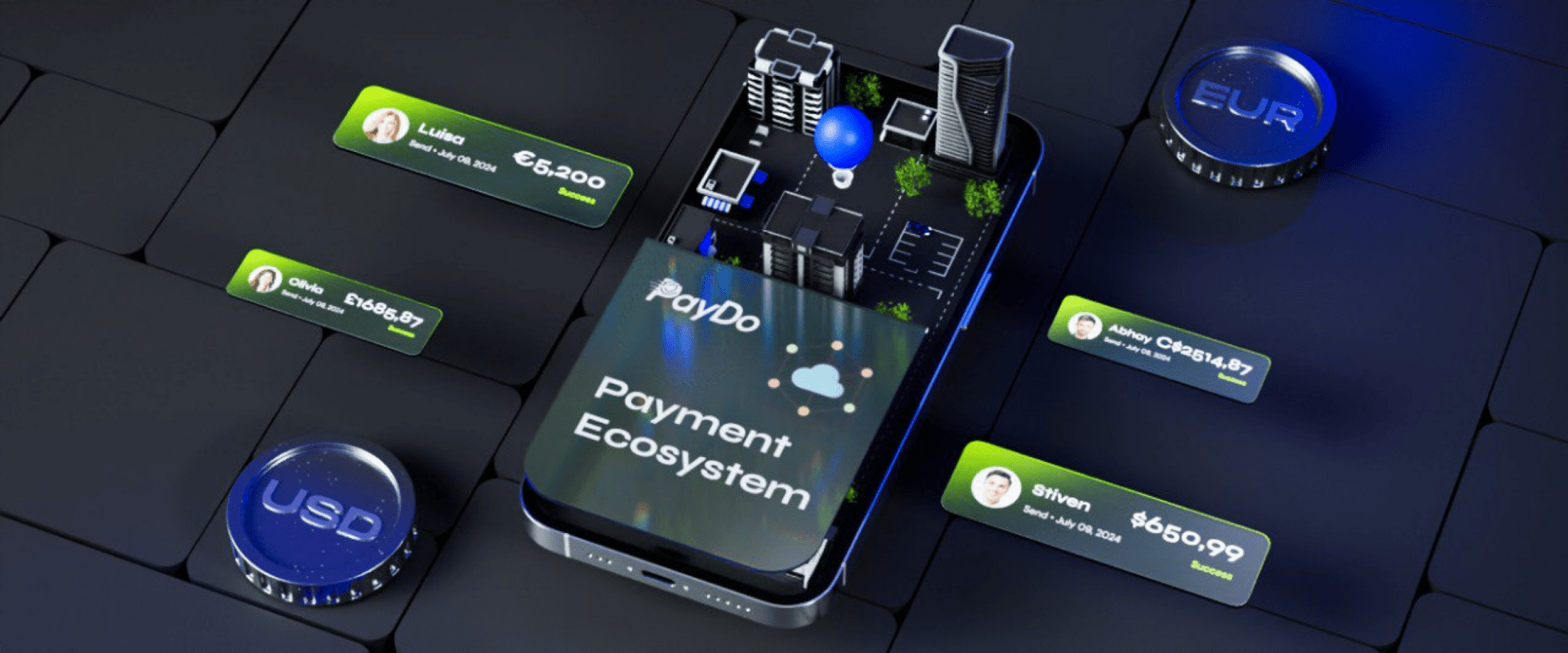
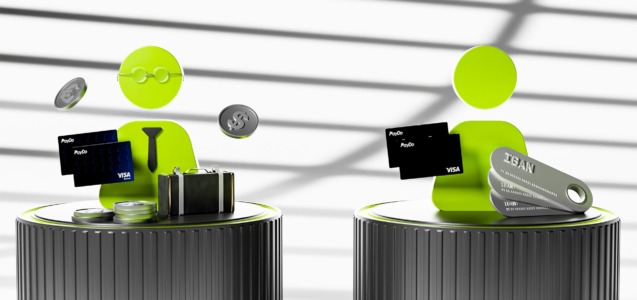
PayDo was founded in 2017 as a digital wallet and has grown into an EMI serving 28 industries with multi-currency accounts and payment solutions.
Business clients get dedicated IBANs in their company name for 59+ currencies, with access to SWIFT, SEPA, SEPA Instant and Faster Payments.
Checkout, mass payments and virtual and physical cards are available under one contract and one dashboard.
There are three facts you need to know about PayDo:
We started as a digital wallet.
We went through many challenges to get where we are today.
Today, an Electronic Money Institution providing multi-currency accounts and payment solutions
While those are all words, here are actual aspects making PayDo a standout EMI. What we want to do here is to show the key elements of our platform, and give you simple explanations for complicated things. We believe that simplicity and convenience are two values companies operating in the financial sector should always pursue.
Without further ado, let’s begin.
What is PayDo History?
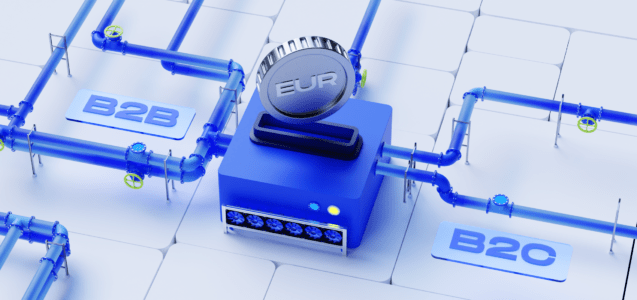
Founded in 2017 by a team of experienced and ambitious professionals, PayDo has significantly evolved over the years. Starting as an e-wallet, through trial and error, we expanded offerings to cater to both business-to-business (B2B) and business-to-consumer (B2C) sectors.
Unlike traditional banks, PayDo focuses on digital-first solutions, providing a platform that integrates neo-banking, international money transfers, merchant services, and mass payments under one roof.
What PayDo Services and Offerings Are Available?
All that hard work our experts put in resulted in these PayDo products seeing the light.
1. PayDo Business Account (PayDo IBAN)
For businesses out there, we offer PayDo Business Account. It comes with these perks:
Dedicated IBANs with Multiple Currencies. Corporate clients receive dedicated European IBAN details with their company name for sending and receiving payments, supporting over 59 currencies.
Multiple Jurisdictions. Access to multicurrency IBANs in jurisdictions such as the UK, Germany (DE), Denmark (DK), Switzerland (CH), and Lithuania (LT).
Cross-border and SEPA Access. Business accounts include access to SWIFT, SEPA, SEPA Instant, and Faster Payments (FPS) networks, with nine payment schemes available.
A payment scheme like SWIFT is a global system that allows banks to send and receive money securely and quickly. These use standardized codes to ensure that the funds reach the correct account in any part of the world.
High-Value and High-Risk Transfers. Supports high-value transfers of up to 3 million Euro and is friendly towards high-risk transactions.
High-risk refers to businesses or transactions with a higher likelihood of chargebacks, fraud, or regulatory scrutiny. Often, due to the nature of their industry, such as online gambling, adult entertainment, or travel services.
Global Reach. Supports cross-border and third-party payments to/from over 170 countries.
Wide Correspondent Banking Network. Ensures reliable transaction routing. If a payment fails with one correspondent bank, it is automatically routed through another.
A correspondent banking network ensures reliable transaction routing. If a payment fails with one correspondent bank, it is automatically routed through another.
Transparent FX and Instant Conversions. Real-time currency exchange rates and instant conversions within the dashboard, with no minimums and no hidden fees.
Principal Member of Mastercard International. Can issue its own Mastercard-branded credit or debit cards.
Cross-border Direct Participant. Directly send and receive international payments via the Cross-border network.
No Hidden Fees. Transparent pricing with no hidden charges.
Settlement from Merchant Providers. Consolidates settlements from various merchant providers into one place.
This means that instead of receiving separate payments from each provider, all payments are gathered and deposited into a single account. This makes accounting way easier.
PCI DSS Level 1 compliance. This means the system follows the highest standards for keeping payment information safe.
OWASP audits. Experts check the system for security weaknesses to make sure it’s strong and secure.
Real-time fraud detection. The system watches for suspicious activity and can quickly spot and stop fraud.
2. PayDo Personal Account
PayDo offers a free personal account for online payments:
Free Account Opening. Open an account free of charge, with no maintenance fees.
Multicurrency Balance. Hold your money in 19 currencies, including EUR, GBP and AUD, in one account.
Paying at Checkout. Pay on websites that accept PayDo by choosing PayDo at checkout. The payment goes directly from your balance.
Top-Up Methods:
Cards (Visa and Mastercard)
Alternative Payment Methods (APMs), 350+ in total:
Prepaid cards
Cash-based payments
E-wallets
Mobile wallets
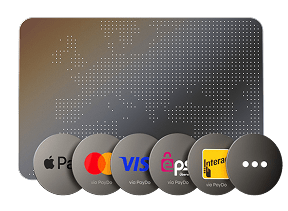
Apple Pay
Google Pay
Withdrawals. Withdraw funds to your own card or bank account via SEPA or SWIFT.
Additional Services. Free transfers to other PayDo users, real-time reporting with payment history in PDF or Excel, and 24/7 customer support via live chat.
Safeguarding means your money is kept in separate accounts at tier-1 European banks, apart from PayDo’s own funds. It is not used for PayDo’s business operations.
3. PayDo Checkout (Merchant Services)
With a PayDo Business Account, owners can establish a merchant account, offering a powerful and comprehensive checkout solution.
PayDo Checkout. A secure, user-friendly payment page that helps merchants collect payments from customers across both desktop and mobile devices.
No Rolling Reserve, Chargebacks, Holds. Funds are readily available for use and settlement. There are no delays or holds on your funds so you can use them immediately.
Payment Methods. Supports 350+ global and local payment methods, including cards, bank transfers, and APMs such as prepaid cards, cash-based payments, e-wallets, and mobile wallets.
For Europe
For Latin America (LATAM)
One-Click Payments. Customers can link their cards to PayDo and pay with a single click.
Smart Payment Selection. Automatically localizes payment methods based on the payer’s country.
Basically, the system determines a customer’s location via a person’s IP and offers a list of payment options widely used in that particular region.
Security and Compliance. PCI DSS Level 1 Certification, 3D Secure (3DS), built-in anti-fraud, chargeback protection.
Built-in anti-fraud automatically detects and stops suspicious activities to keep your money safe. Chargeback protection helps protect merchants from unjust chargebacks a payer might initiate. PCI DSS Level 1 certification allows a payment platform like PayDo to process up to 6 millions transactions.
Integration and Onboarding. API integration via Hosted Page or Server to Server, or via popular eCommerce platform plugins.
Allows you to connect our payment system to your website. You can do this using our API through a hosted page, directly from your server, or with plugins for popular eCommerce platforms.
Unified Contract. Access all major payment methods with one contract and single API integration.
Automated KYC. Automated Know Your Customer (KYC) process with ID card verification, face recognition, and document verification.
Additional Benefits. Smart routing and cascading, transparent FX and instant conversions, high-risk friendly, competitive Tier 2 & 3 pricing models, comprehensive dashboard.
Smart Routing and Cascading. Payments are automatically directed through the best paths to ensure they go smoothly.
Competitive Tier 2 & 3 Pricing Models. We offer good pricing options for small and medium-sized businesses.
Comprehensive Dashboard. A detailed and easy-to-use control panel helps you manage all your payment activities.
4. Mass Payments
Businesses can conduct multiple instant payments to users through PayDo’s mass payment solutions, particularly useful for payroll, affiliate payouts, and other bulk payment needs.
Automatic Payouts. Instant payouts to customers via simple withdrawal requests.
Integration. Integration with popular e-commerce plugins via API.
No Fees for Recipients. Customers receive their funds without fees.
Multiple Currencies. Supports payouts in various currencies, enhancing global reach.
5. PayDo Virtual and Physical Cards
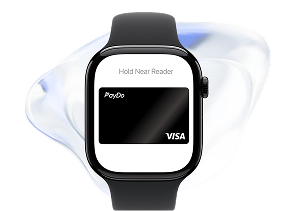
PayDo will soon offer both physical and virtual VISA Euro cards, enabling users to make online and offline purchases conveniently.
VISA Euro Cards. Available for online and contactless payments via Apple Pay, Google Pay, and Samsung Pay.
Linked to Accounts. These cards will be directly linked to user accounts for quick access to funds.
Ten Unique Selling Points
This section will explore the key points that make PayDo unique and distinguish the platform from other EMIs and PSPs.
1. Comprehensive Service Offering
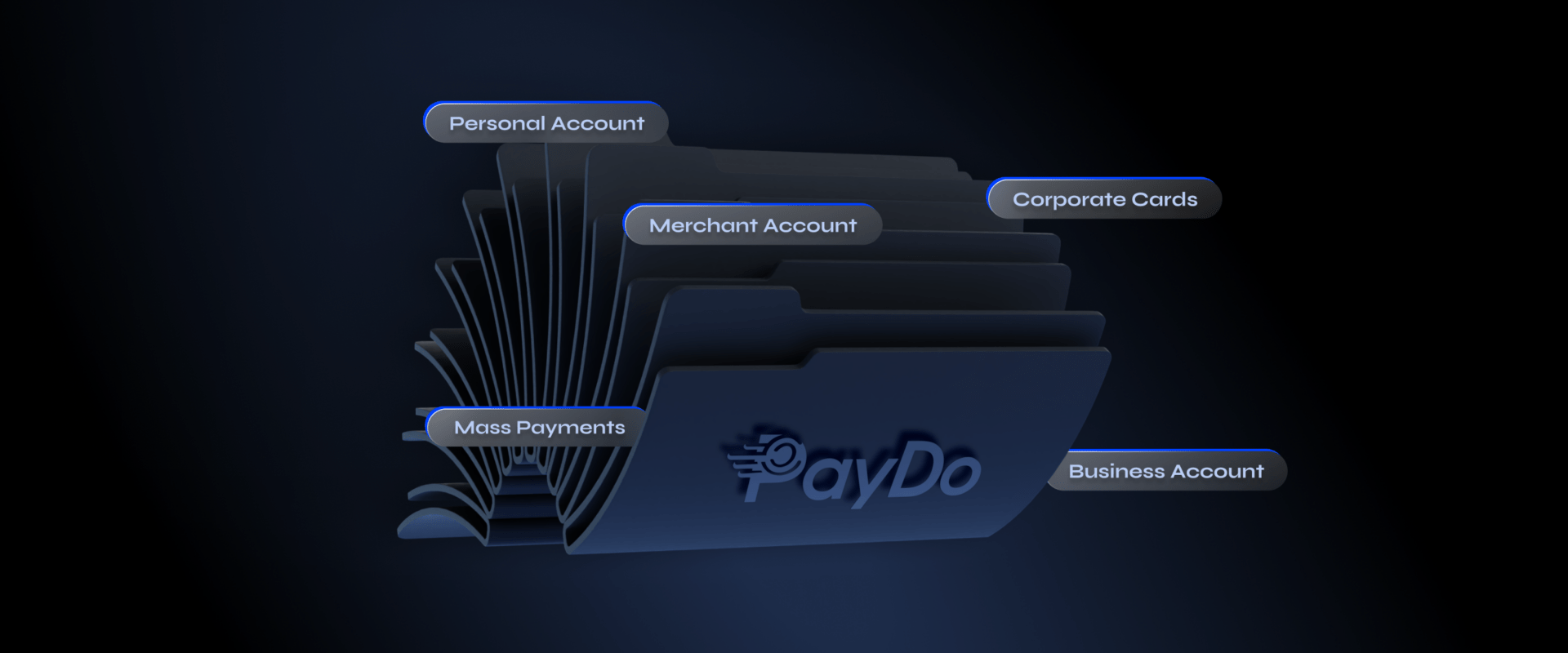
The first unique thing about PayDo is its number of products. Usually, when it comes to EMIs or PSPs, there is a focus on either a Business Account or a Personal Account. With PayDo, you get it all:
Business Accounts
Personal Accounts
Checkout Solutions
Mass Payments
Physical and Virtual Cards (coming soon)
2. Serving Many Industries
PayDo’s versatility shows in its broad market coverage. It serves 28 industries, including e-commerce, video games, and marketplaces. The platform has solutions for traditional and digital-native businesses. It makes opening business accounts easy.
3. Multicurrency and Multi-Scheme Support
PayDo supports IBANs in over 35 currencies and nine payment systems, including Cross-border, SEPA, and Faster Payments. It ensures fast transactions in 140+ countries. This support enables smooth global operations. So, PayDo is perfect for businesses with a worldwide reach.
4. Security and Compliance
PayDo prioritizes its clients’ transactions and data security. It meets PCI DSS Level 1 standards. Which means:
For merchants:
Level 1: Businesses that process over 6 million card transactions per year across all channels or any business that has had a data breach.
For service providers:
Level 1: Businesses that process over 300,000 transactions per year (includes Payment Facilitators).
And uses 3DS security for card payments and has strong anti-fraud systems. The platform meets the FCA in the UK and FINTRAC in Canada. This ensures a high level of trust and reliability.
5. Customer-Centric Innovations
PayDo is committed to constant improvement. It adds payment methods, improves its UI, and offers great support. This dedication ensures PayDo meets its clients’ evolving needs. It makes the platform user-friendly and responsive to market demands.
6. One-Stop Solution with One Contract and Dashboard
PayDo’s “one contract, one dashboard” approach is a key aspect that makes it unique. With PayDo, business owners need to sign just one contract. It will give them access to all services and features in a single, easy-to-use dashboard.
7. Wide Correspondent Banking Network
PayDo ensures reliable transaction routing through its extensive correspondent banking network. If a payment fails with one correspondent bank, it routes through another. This guarantees successful transfers.
8. Principal Member of Mastercard International and Cross-border Direct Participant
As a Principal Member of Mastercard, PayDo can issue its Mastercard-branded cards. They can be credit or debit cards. It can also acquire transactions directly. A Cross-border Direct Participant lets PayDo users send and receive secure international payments via the network.
9. No Hidden Fees and Transparent Pricing
PayDo has transparent pricing with no hidden fees. This ensures clear, predictable costs for all transactions. This transparency builds trust with clients, making financial planning straightforward and hassle-free.
By using its unique selling points, PayDo stands out. It offers a strong solution for managing financial transactions. It is a top choice for efficient, secure, and easy-to-use financial services.
Frequently Asked Questions About PayDo
Find quick answers to common questions about PayDo services, accounts, and payment solutions.
What licenses does PayDo hold?
PayDo operates under regulatory frameworks including FCA, MFSA, and FINTRAC, ensuring secure financial operations.
How long does onboarding take?
The onboarding process typically takes 3 to 5 working days for business clients.
Conclusion
PayDo’s suite of services, commitment to security, and innovative approach make it a standout player in the financial services industry. Whether for businesses looking to streamline their financial operations or individuals seeking efficient payment solutions, PayDo offers the tools and support needed to succeed in a fast-paced digital world.
Explore the benefits of PayDo’s services and join a platform prioritizing convenience, security, and customer satisfaction. Discover more at PayDo’s website and start optimizing your financial transactions today.
The 30-Second Summary The fastest way for a digital goods platform to pay sellers in Europe and the UK is an instant transfer: SEPA Instant for euros and Faster Payments...
The 30-Second Summary Low transaction fees look like the obvious way to compare payment providers. Skin store owners start with the rate on the price sheet because it is the...
The 30-Second Summary A payment gateway for a game key store has one job: get buyers’ card payments approved and keep the account open as volume grows. For game key...
The 30-Second Summary SEPA Instant sends euros within the SEPA area in up to 10 seconds, 24/7. SWIFT works in almost any currency, but a transfer usually takes 1–2 business...
The 30-Second Summary In the fast-paced and ever-changing iGaming industry, what are the current best online casino payment methods? Today, we are taking a snapshot for 2025, when the iGaming...
The 30-Second Summary A Money Services Business (MSB) is a type of financial institution that offers various money-related services, such as money transfers, currency exchange, and check cashing. It is...
The 30-Second Summary Electronic Money Institutions (EMIs) and Money Services Businesses (MSBs) are becoming more and more popular. EMIs focus on digital transactions, providing electronic payment services and digital currency...
The 30-Second Summary Phishing remains a major cybersecurity threat, targeting individuals and businesses through fraudulent emails, messages, and websites. According to the Anti-Phishing Working Group (APWG), 3.8 million phishing attacks...
The 30-Second Summary As digital payments continue to grow, payment fraud remains a significant concern. According to Alloy’s 2026 State of Fraud Report, 67% of surveyed financial institutions and fintechs...
The 30-Second Summary A bank account ownership certificate, also known as a bank account certificate or proof of account ownership, is a document that says your bank account actually belongs...
The 30-Second Summary A Company Registration Number (CRN) is a code a business gets during incorporation. It acts as a distinct identifier for your company. It helps to differentiate your...
The 30-Second Summary Imagine each bank branch with its unique postal code — that’s what a branch code or sort code is in the financial world. It’s a set of...