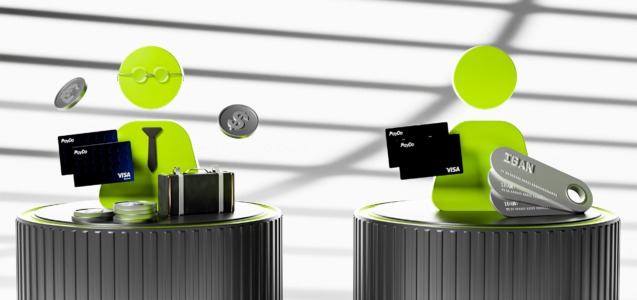
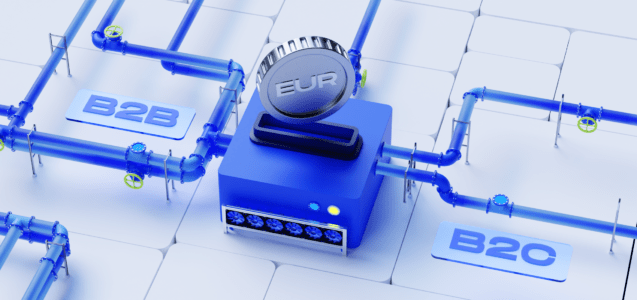
A multicurrency IBAN lets a business manage several currencies through one account instead of separate accounts in each country.
Access to SWIFT, SEPA and SEPA Instant shortens settlement times, and fewer intermediaries mean lower costs.
PayDo provides multicurrency IBANs and holds licenses from the FCA, MFSA and FINTRAC.
In today’s digital economy, cross-border payments are no longer optional—they are the foundation of international growth. Whether you run an eCommerce store, a SaaS platform, or an iGaming business, the ability to send and receive funds quickly, securely, and in multiple currencies is critical. This is where multicurrency IBANs come in.
What Is a Multicurrency IBAN?
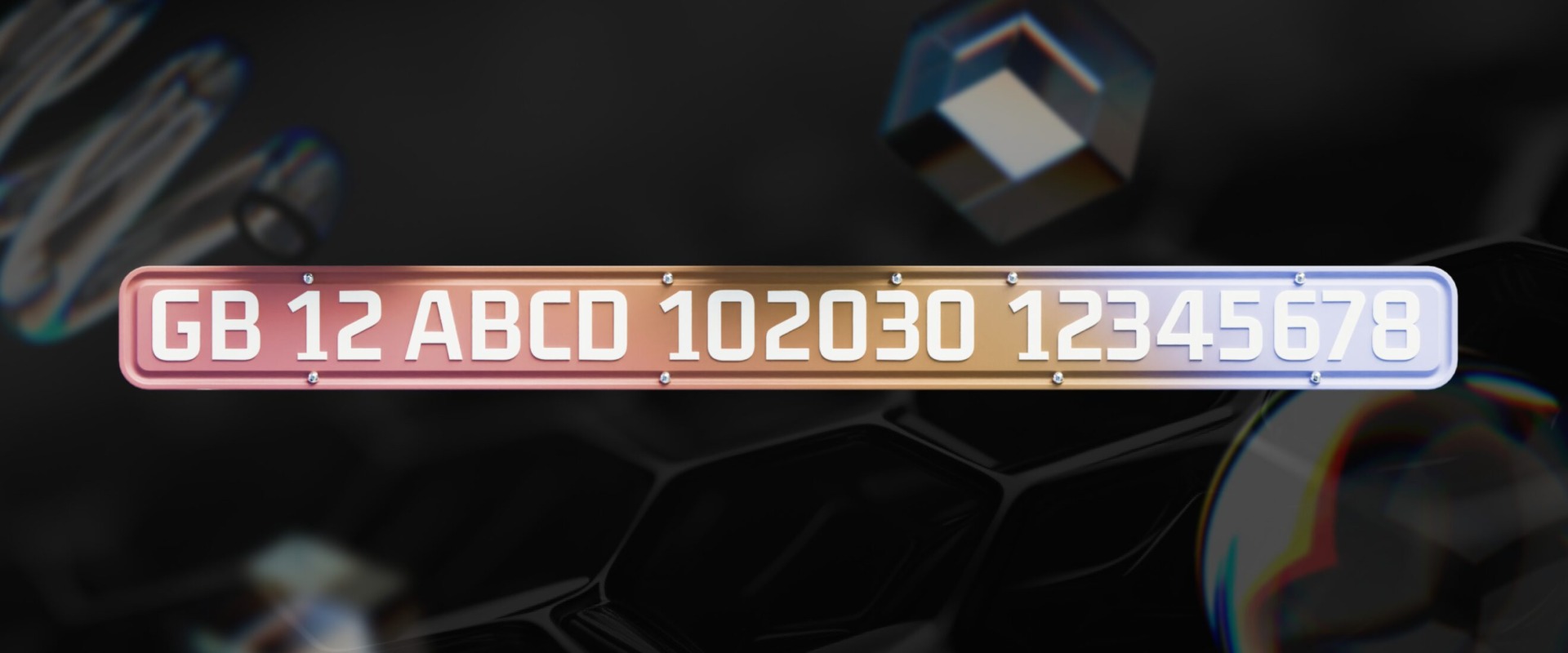
A multicurrency IBAN allows businesses to manage multiple currencies through a single account. Instead of opening separate bank accounts in different countries, companies can receive, hold, and send funds in EUR, GBP, USD, and many more currencies under one IBAN.
This simplifies financial operations, saves costs, and ensures faster transactions across markets.
Why Traditional Banking Falls Short
Conventional banks often require businesses to:
Maintain multiple accounts across jurisdictions
Pay high fees for international wires
Wait days for settlements due to intermediary banks
Face restrictions if operating in high-risk industries like iGaming or digital assets
For fast-moving companies, this approach simply doesn’t work.
Key Benefits of Multicurrency IBANs
1. Centralized Payments
All payments are streamlined into one IBAN, eliminating the hassle of managing several bank accounts and improving reconciliation.
2. Faster Transfers
With support for schemes like SWIFT, SEPA, SEPA Instant, Faster Payments, businesses can move money globally with much shorter settlement times.
3. Lower Costs
By reducing intermediaries, companies avoid unnecessary charges and benefit from transparent FX rates for instant conversions.
4. Support for High-Risk Sectors
PayDo supports sectors such as iGaming under FINTRAC, helping businesses manage international transactions.
5. Growth-Friendly
Companies can expand into new markets, accepting local currencies and settling in international ones. This improves customer experience and boosts trust.
How PayDo Supports Multicurrency IBANs
PayDo operates under licences from the FCA, MFSA, and FINTRAC, providing international businesses with multicurrency IBAN solutions.
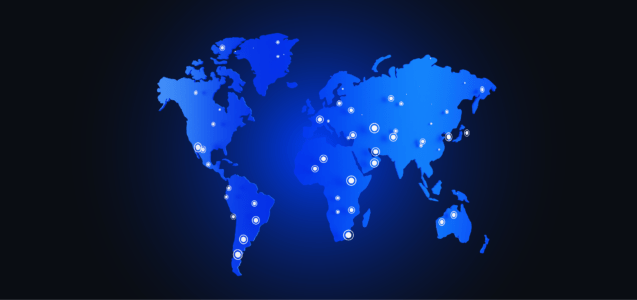
Coverage of 150+ countries, including high-risk regions
Support for SEPA, SEPA Instant, SWIFT, Faster Payments
High-value transfers supported through direct payment schemes
Transparent FX rates and instant currency conversions in the dashboard
For industries like iGaming, PayDo also offers tailored solutions, including support for offshore licenses (Curaçao, Anjouan, etc.) and payment agents—areas where traditional providers usually fall short.
The Future of Cross-Border Payments
As international commerce accelerates, businesses can’t afford to rely on outdated banking systems. Multicurrency IBANs are no longer optional—they are essential. Providers like PayDo help global businesses stay competitive by combining speed, transparency, and solutions designed for modern industries.
Open your account with PayDo and access multicurrency IBANs, instant settlements, and global reach—all from one dashboard 👉 Sign up with PayDo now
FAQ
What currencies can be held in one IBAN?
Businesses can hold and manage major currencies including EUR, GBP, and USD within a single account structure.
Are dedicated IBANs available?
Yes, PayDo provides both dedicated IBANs in the client’s name and pooled IBANs with a reference.
The 30-Second Summary The fastest way for a digital goods platform to pay sellers in Europe and the UK is an instant transfer: SEPA Instant for euros and Faster Payments...
The 30-Second Summary Low transaction fees look like the obvious way to compare payment providers. Skin store owners start with the rate on the price sheet because it is the...
The 30-Second Summary A payment gateway for a game key store has one job: get buyers’ card payments approved and keep the account open as volume grows. For game key...
The 30-Second Summary SEPA Instant sends euros within the SEPA area in up to 10 seconds, 24/7. SWIFT works in almost any currency, but a transfer usually takes 1–2 business...
The 30-Second Summary In the fast-paced and ever-changing iGaming industry, what are the current best online casino payment methods? Today, we are taking a snapshot for 2025, when the iGaming...
The 30-Second Summary A Money Services Business (MSB) is a type of financial institution that offers various money-related services, such as money transfers, currency exchange, and check cashing. It is...
The 30-Second Summary Electronic Money Institutions (EMIs) and Money Services Businesses (MSBs) are becoming more and more popular. EMIs focus on digital transactions, providing electronic payment services and digital currency...
The 30-Second Summary Phishing remains a major cybersecurity threat, targeting individuals and businesses through fraudulent emails, messages, and websites. According to the Anti-Phishing Working Group (APWG), 3.8 million phishing attacks...
The 30-Second Summary As digital payments continue to grow, payment fraud remains a significant concern. According to Alloy’s 2026 State of Fraud Report, 67% of surveyed financial institutions and fintechs...
The 30-Second Summary A bank account ownership certificate, also known as a bank account certificate or proof of account ownership, is a document that says your bank account actually belongs...
The 30-Second Summary A Company Registration Number (CRN) is a code a business gets during incorporation. It acts as a distinct identifier for your company. It helps to differentiate your...
The 30-Second Summary Imagine each bank branch with its unique postal code — that’s what a branch code or sort code is in the financial world. It’s a set of...