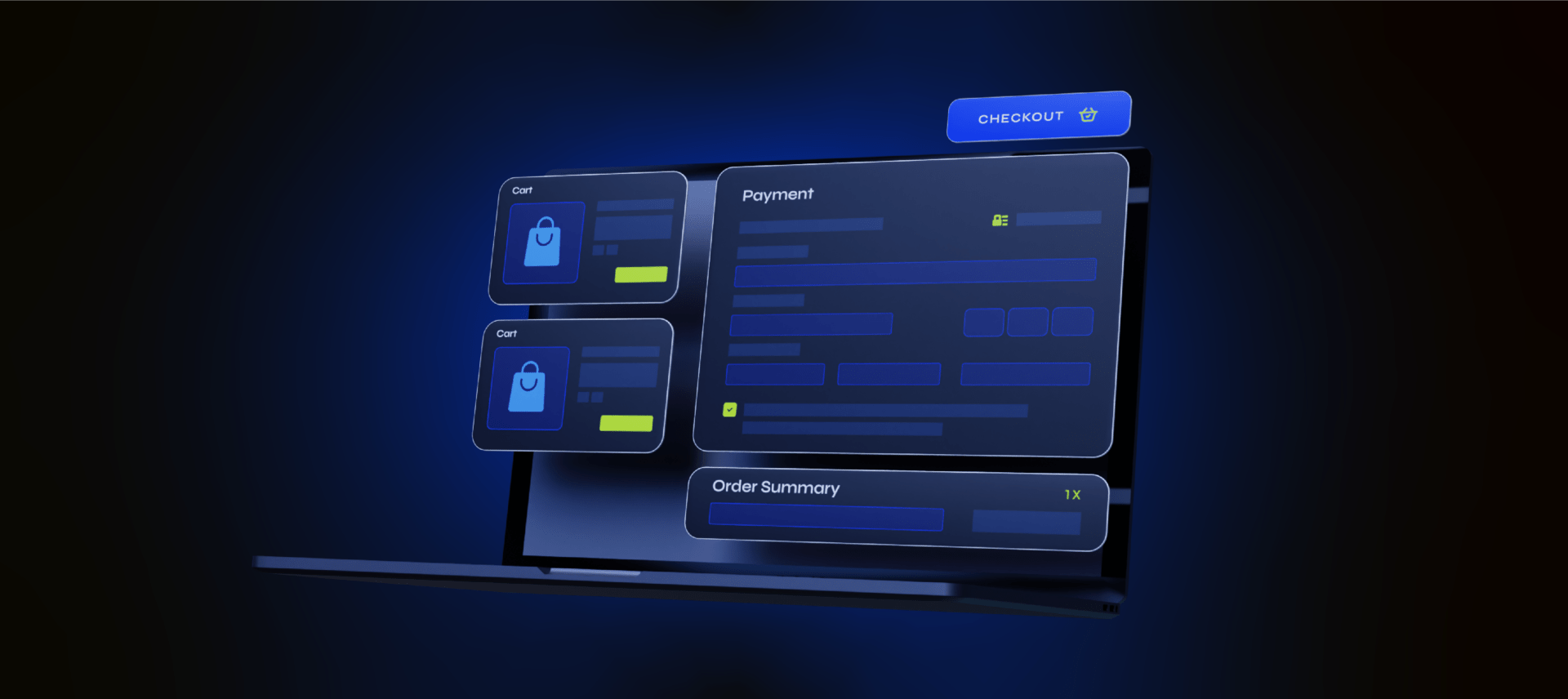
Merchants struggle with integrating many payment methods and currencies, juggling several contracts and lacking fast API solutions.
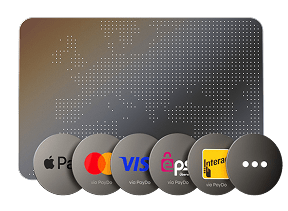
PayDo Checkout supports 350+ payment methods, including one-click payments, under one contract.
Onboarding takes 3–5 business days, and clients get one account, one contract and a dedicated account manager.
The number of payment options as a part of checkout solutions is genuinely astonishing. Many choices exist, from standard credit cards to new open banking systems. Yet, not all of them are made equal.
This piece examines how PayDo’s all-in-one payment options change how companies do business. PayDo sets new standards for flexibility, security, and speed because it can handle deals through 350+ payment methods in the context of its Checkout service. Let’s look at how PayDo makes it happen.
What industries need checkout services?
Everyone needs reliable and flexible checkout options in the constantly evolving world of online shopping. But these answers are essential for the day-to-day work of some businesses. Below, we look at a few key areas that can gain a lot from advanced checkout solutions like the ones PayDo offers.
Marketing and Advertising Agencies. A versatile checkout is a must for clients that may span multiple countries and currencies.
Affiliate Marketing. Given the nature of revenue sharing and online tracking, a secure and reliable checkout is a no-brainer.
E-commerce. The backbone of online retail, e-commerce sites need robust checkout solutions to handle a high volume of transactions.
Marketplaces. These platforms bring together buyers and sellers, necessitating a checkout that can handle multiple transaction types.
Video Games: In-game purchases and subscriptions require a checkout that efficiently handles microtransactions.
iGaming. With various forms of betting and gambling, a secure and compliant checkout solution is non-negotiable.
Many places need advanced checkout options, but some businesses can only do so. PayDo’s payment options are used by companies in many fields, from iGaming to ecommerce, because they are flexible and safe.
What are the common checkout challenges for merchants?
Merchants may need help to figure out how to handle online sales. There are many difficulties, like integrating different payment ways and keeping track of multiple contracts. This part discusses some of the businesses’ most common problems and how PayDo’s answers can help them.
1. Integration issues
The first hurdle many merchants encounter is integrating multiple payment methods and currencies into their existing systems. This can be a complex and time-consuming process, often requiring specialized knowledge. PayDo addresses this issue by offering a full-cycled payment flow, a straightforward integration process, and making it more manageable for merchants of all sizes.
2. Multiple contracts
Having to juggle multiple contracts and integrations can be a logistical nightmare. Working with multiple contracts means hours spent double-checking and, possibly, hiring an expert who can help you with that.
PayDo alleviates this stress by providing an all-in-one solution. This means merchants can manage all their payment needs under a single contract, eliminating the need for multiple agreements and technical setups.
3. Support for Multiple Currencies & Local Payment Methods
One of the critical challenges in international trade is dealing with multiple currencies and local payment preferences. Along with additional fees, banks may charge with extra currencies, international companies also need to give clients what they want – a chance to pay in currencies clients are used to.
PayDo covers this by supporting transactions in six major currencies. Additionally, it offers a range of international and local payment methods tailored to the payer’s country, thus enhancing the customer experience.
4. Lack of Opportunities to Use Fast API Solutions
Time is of the essence in the fast-paced world of e-commerce. Yet, while finding the right integration takes a great deal of time, ensuring integration works cohesively with your system is another problem.
PayDo understands this and offers quick API solutions like DevCode and Praxis. These facilitate rapid integration, enabling businesses to accept various payment methods without delays. PayDo is a one-stop shop for all your payment needs, making online transactions hassle-free.
How does PayDo help online businesses facilitate transactions?
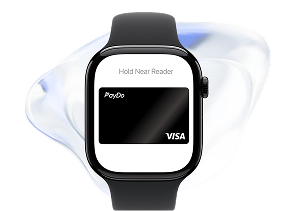
One-Click Payments. For registered PayDo users, payments can be made in a single click using their PayDo wallet or a linked Visa/MasterCard.
Multi-Currency and Geo-Specific Options. PayDo supports transactions in six major currencies and tailors payment methods based on the payer’s location.
High Acceptance Rate. The platform is optimized for desktop and mobile, ensuring a smooth user experience and higher transaction completion rates.
Chargeback Protection. PayDo has a robust procedure for handling chargebacks, ensuring that merchants and customers are protected.
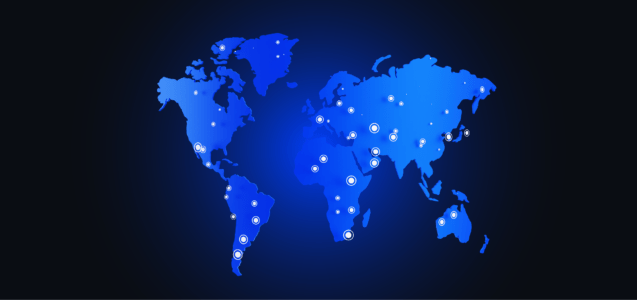
170+ Supported Countries. With global reach, PayDo makes it easier for businesses to tap into international markets.
Smart Payment Selection. PayDo offers international and local payment methods depending on the payer’s country, enhancing the customer experience.
Automated KYC. If a customer’s total payments exceed 50 EUR, they must complete a quick and straightforward KYC process, which includes scanning a QR code and face recognition.
API Mass Payments. For businesses that need to handle a large volume of transactions, PayDo offers API-based mass payments. This feature allows merchants to automate and streamline their payment processes, making it easier to manage multiple transactions simultaneously.
Built-in anti-fraud. Security is a top priority for PayDo, so it has integrated an automated, self-optimizing fraud management solution. This feature offers real-time monitoring of all transactions, allowing for immediate detection and prevention of suspicious activities.
3D-Secure. PayDo collaborates with Tier-1 trusted bank acquirers to provide an additional layer of security through 3D Secure (3DS). When a user tops up their account with a card, 3DS is initiated, requiring additional authentication. This extra step significantly reduces the risk of fraudulent transactions.
PCI-DSS Level 1 certification. Regarding card payments, PayDo’s checkout is PCI-DSS Level 1 compliant. This level of compliance ensures that all card information is securely handled and protected, offering merchants and customers peace of mind.
FAQ
PayDo worked out an elaborate system with Checkout and API Mass Payments. These help businesses from multiple industries, particularly those heavily reliant on checkout solutions. PayDo has everything you need for business, and as a trusted partner, it can help provide a safe and efficient payment environment.
How long does onboarding take?
Onboarding typically takes 3 to 5 business days for business clients.
What are the main benefits of PayDo?
Clients get one account, one contract, and a dedicated KAM for business operations.
Contact our experts and start using our Checkout solution after completing several short and simple steps.
The 30-Second Summary The fastest way for a digital goods platform to pay sellers in Europe and the UK is an instant transfer: SEPA Instant for euros and Faster Payments...
The 30-Second Summary Low transaction fees look like the obvious way to compare payment providers. Skin store owners start with the rate on the price sheet because it is the...
The 30-Second Summary A payment gateway for a game key store has one job: get buyers’ card payments approved and keep the account open as volume grows. For game key...
The 30-Second Summary SEPA Instant sends euros within the SEPA area in up to 10 seconds, 24/7. SWIFT works in almost any currency, but a transfer usually takes 1–2 business...
The 30-Second Summary In the fast-paced and ever-changing iGaming industry, what are the current best online casino payment methods? Today, we are taking a snapshot for 2025, when the iGaming...
The 30-Second Summary A Money Services Business (MSB) is a type of financial institution that offers various money-related services, such as money transfers, currency exchange, and check cashing. It is...
The 30-Second Summary Electronic Money Institutions (EMIs) and Money Services Businesses (MSBs) are becoming more and more popular. EMIs focus on digital transactions, providing electronic payment services and digital currency...
The 30-Second Summary Phishing remains a major cybersecurity threat, targeting individuals and businesses through fraudulent emails, messages, and websites. According to the Anti-Phishing Working Group (APWG), 3.8 million phishing attacks...
The 30-Second Summary As digital payments continue to grow, payment fraud remains a significant concern. According to Alloy’s 2026 State of Fraud Report, 67% of surveyed financial institutions and fintechs...
The 30-Second Summary A bank account ownership certificate, also known as a bank account certificate or proof of account ownership, is a document that says your bank account actually belongs...
The 30-Second Summary A Company Registration Number (CRN) is a code a business gets during incorporation. It acts as a distinct identifier for your company. It helps to differentiate your...
The 30-Second Summary Imagine each bank branch with its unique postal code — that’s what a branch code or sort code is in the financial world. It’s a set of...