8% of online shoppers abandon their carts because there are not enough ways to pay (Baymard Institute).
Offering the payment methods customers use locally builds trust and helps businesses grow abroad.
Too many options backfire: they confuse customers, slow down checkout and add maintenance, security and integration costs.
When it comes to growing globally, businesses need to use localised checkout payment methods. This can help businesses build customer trust and position them for long-term success in the competitive online market. Businesses build a strong foundation for success by catering to the preferences of diverse consumers through localization.
This article examines the importance of gaining customer trust through localised payment methods. We’ll explore how offering payment options familiar to users makes transactions easier and strengthens the bond between businesses and customers.
What is the current landscape of checkout payment methods?
The Baymard Institute asked online shoppers why they abandoned their online shopping carts. They found out that 8% of people leave because there aren’t enough ways to pay online. That’s a significant number of potential sales that are being missed.
However, that shouldn’t be a problem since many online payment service options are available on the market. And they evolve and grow every year. From traditional credit cards to newer methods like digital wallets and online transfers. The choices are diverse.
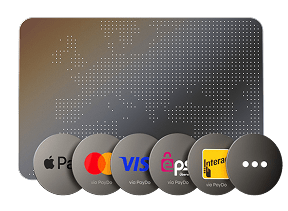
One notable trend is the continuous rise of mobile wallets and digital payments. More and more people are using their smartphones to make daily payments. Services like Apple Pay, Google Pay, and other digital wallets are gaining popularity.
Digital wallets remain the world’s leading payment method. In 2025, they accounted for 56% of global e-commerce transaction value and 33% of point-of-sale (POS) value, which is over $13.8 trillion in combined spending. Their reach is now expanding into physical stores: payment apps are forecast to account for 46% of global POS value by 2030, or $15.6 trillion (see Fig. 1). This trend is driven by competition among fintechs, banks, neobanks, super apps, EMIs, and device manufacturers, all of which offer digital wallet services.
Digital wallets are anticipated to continue to be the primary payment method in e-commerce (54%) and POS (43%) by 2026 (see Fig.1). This trend is fueled by competition among various players, including fintechs, banks, neobanks, super apps, EMIs, and device manufacturers – all competing to offer digital wallet services.
The trend above reflects a growing preference in the current payment landscape for convenient, contactless payment methods. What is important to know, incorporating multiple payment options can help businesses enhance consumer trust.
How does this work? Let’s find out.
Why is customer trust important in ecommerce?
Gaining the trust of your customers is crucial for several reasons. One significant aspect is its direct impact on conversion rates. When customers trust a business, they are more likely to make a purchase. Trust acts as a foundation for positive customer experiences, leading to increased confidence in a brand.
In today’s digital landscape, establishing trust is more crucial yet complex than ever. According to research from Salesforce, 73% of consumers emphasise that having confidence in companies is now more important than in the ecommerce past. However, the same study indicates that slightly over half of consumers find it increasingly challenging for companies to earn their trust.
Why do shoppers worry about security?
Online shoppers are particularly concerned about receiving quality products or services at reasonable prices. Additionally, they prioritise the security of personal information shared during online transactions.
Financial data, in particular, is highly valued. RSA reports that 78% of consumers are the most protective of their financial information. Securing the checkout process with checkout payment methods, where sensitive information is exchanged, is paramount. It serves as a primary focus for merchants aiming to build customer loyalty.
Merchants can employ various strategies to protect their customers and establish trust. For example:
Ensure PCI DSS compliance or collaborate with a payment service provider that facilitates compliance.
Incorporate trust indicators throughout the checkout. For instance, independent ratings (e.g., Trustpilot), regulatory badges, and clearly stated return or exchange policies.
Implement tokenisation in payment flows to securely store customer card details. This is particularly beneficial for businesses with a high volume of returning customers and essential for features like ‘one-click payments.’
Thoughtfully incorporate regulations to add extra layers of security when using checkout payment methods.
Implement anti-fraud protection, like 3D Secure. 3DS helps to reduce the likelihood of fraud with stolen card details, as a fraudster would need to pass through additional layers of verification to make a purchase.
As a result, higher trust levels often result in a higher conversion rate. When customers believe in the reliability, credibility, and integrity of a business, they are more inclined to complete transactions.
How localised checkout payment methods drive consumer trust?
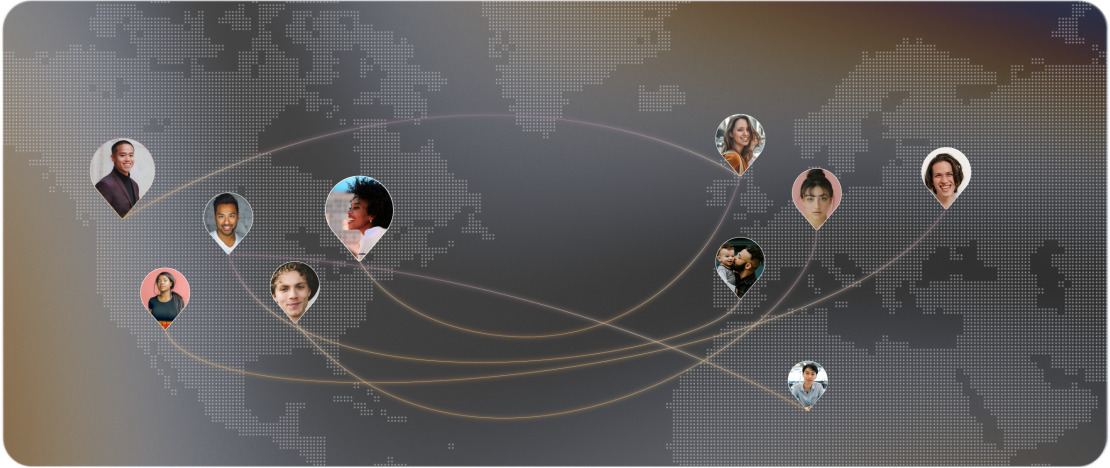
By embracing localised payment methods, merchants unlock the door to global expansion, directly catering to customers’ payment preferences outside their home territories.
Local payment methods include various options. For example, digital wallets, bank transfers, local debit networks, and other global purchasing methods.
Localisation allows consumers to navigate the often complex landscape of payment methods. When individuals see payment choices that are widely accepted or align with their preferred methods, it instils confidence. This familiarity reduces the perceived risk associated with online transactions, contributing to higher levels of trust.
Payment localisation simplifies the payment processing for users, enabling them to choose familiar methods. It results in a smoother and more trustworthy online shopping experience.
What is the role of personalisation in payment methods?
Personalising payment options is essential for tailoring the experience to the customer’s needs. Businesses can enhance overall satisfaction by offering various payment methods and letting customers choose what suits them best.
Different people prefer different payment methods. Personalisation ensures a customer-friendly approach, such as offering traditional credit cards, digital wallets, or online transfers. Providing options and recommendations based on past preferences streamlines the checkout payment methods process. Additionally, it creates a more user-friendly environment.
However, it is important to find the balance between personalisation, which is great for your customers, and overcomplicating the payment process, which can lead to losing sales. Let’s explore this issue in more detail.
What are the risks of overcomplicating checkout?
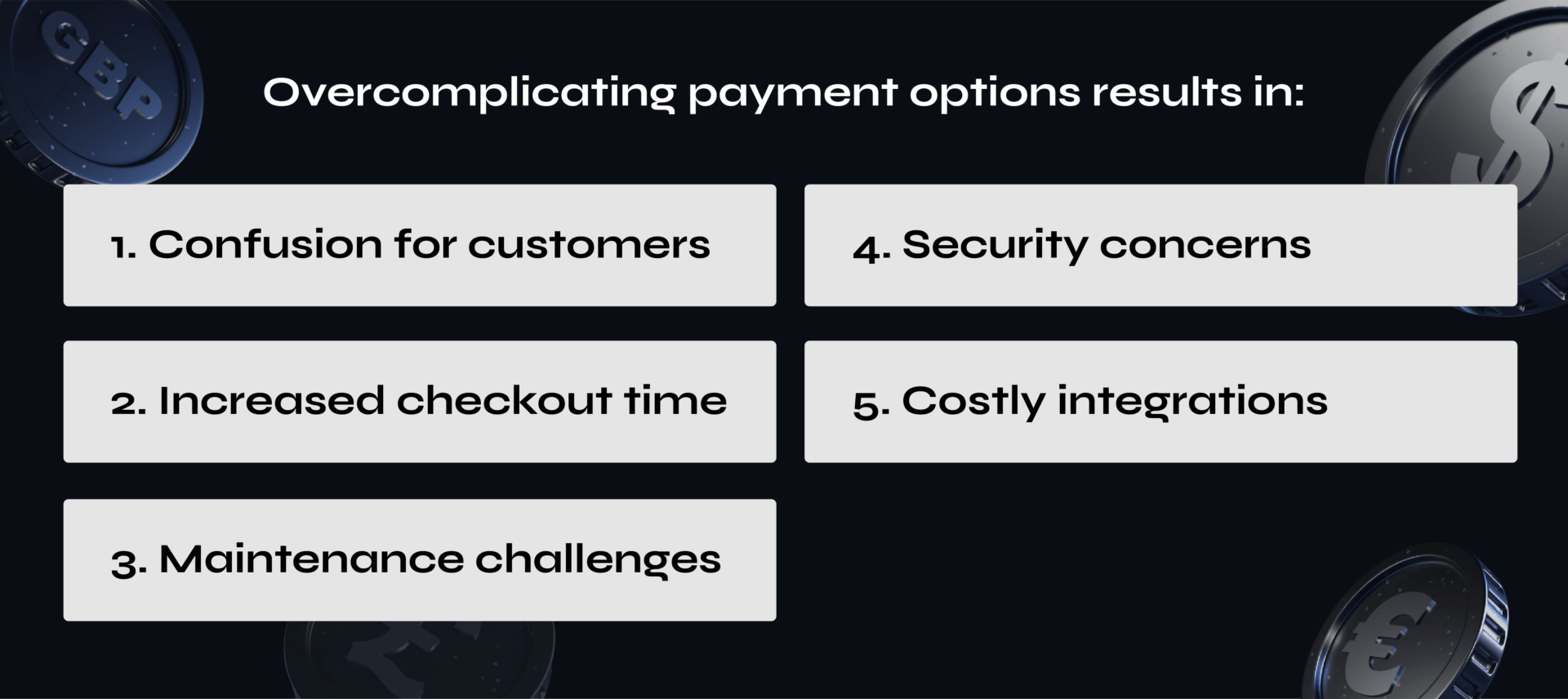
Introducing too many payment options can pose several risks and drawbacks. Here are the four key reasons why having too many payment methods can be problematic:
1. Confusion for customers
A plethora of payment options can overwhelm customers and lead to confusion. Too many choices may result in decision paralysis, causing potential buyers to abandon their purchase altogether.
2. Increased checkout time
A wide array of local payment methods may extend the checkout process, leading to longer transaction times. Lengthy checkouts can frustrate customers, potentially deterring them from completing one of their purchases.
3. Maintenance challenges
Managing numerous local payment methods requires ongoing maintenance and updates. This can be time-consuming and resource-intensive for businesses. Especially if there are frequent changes in the payment landscape.
4. Security concerns
Each additional local payment option introduces its own set of security considerations. Managing the security of multiple payment methods increases the complexity of safeguarding customer information, potentially raising the risk of data breaches.
5. Costs of integration
Integrating and maintaining various local payment methods comes with associated costs. Businesses may incur expenses related to integration, software updates, and ongoing support. It can impact the overall profitability of the operation.
While offering diverse payment options is important, businesses must strike a balance. This helps avoid overcomplicating the payment process and prevents potential negative consequences for both customers and the business itself.
What are the future trends in payment methods?
The payments industry is always changing due to technical advancements, shifts in customer preferences, more stringent regulation, and worldwide economic influences. In 2024 and beyond, we can expect further changes in the payment landscape. These changes will be driven by the increasing popularity of digital wallets and ongoing conversations surrounding AI and ML.
Let’s explore these trends further:
Growth of digital wallets and mobile payments
The use of digital wallets and mobile payments is projected to grow significantly. GlobalData forecasts a compound annual growth rate of 19.9% for mobile wallet payments. Businesses are advised to offer various wallet solutions and ensure their payment infrastructure accommodates the rising number of mobile and digital wallet users.
Open banking and API integration
Open banking and API integration are transforming the financial services industry. They foster collaboration and innovation among banks, fintech companies, and other stakeholders.
Open banking enhances customer data portability, giving consumers more control over their financial information. API integration is crucial for driving innovation in the payment ecosystem, allowing businesses to seamlessly integrate digital payment capabilities and provide a wide range of payment options and services.
Machine learning and AI in fraud prevention
Fraud prevention is a critical aspect of the digital payments landscape. Machine learning (ML) and artificial intelligence (AI) are increasingly essential in detecting and preventing payment fraud in real time.
These technologies analyse vast amounts of data to identify patterns and anomalies indicative of fraudulent activity, enhancing transaction security and fostering trust and confidence with customers.
Emergence of alternative payment methods
Alternative payment methods, including cryptocurrencies and peer-to-peer payments, are gaining popularity due to their flexibility and transactional choices. Central bank digital currencies (CBDCs) are being explored as potential solutions to address issues such as financial inclusion and regulatory oversight.
Financial inclusion through digital payments
Digital payments are crucial for making financial services accessible to people who don’t have bank accounts or have limited access to banking. Businesses can help close the gap between traditional banking and the needs of underserved communities by offering various digital payment options. This is especially important in emerging markets where many people don’t have easy access to regular banking services.
As the industry grows, both traditional banks and new financial technology players will be crucial in deciding how we buy and sell things. Success in the changing world of payments and – will depend on adapting to these shifts and developing new and creative solutions.
PayDo offers checkout payment methods tailored to consumer needs
When shopping online, people want to make fast and easy purchases. They search, click a few times, and expect quick delivery. The tricky part is often at the checkout, where things can get slow and cause problems.
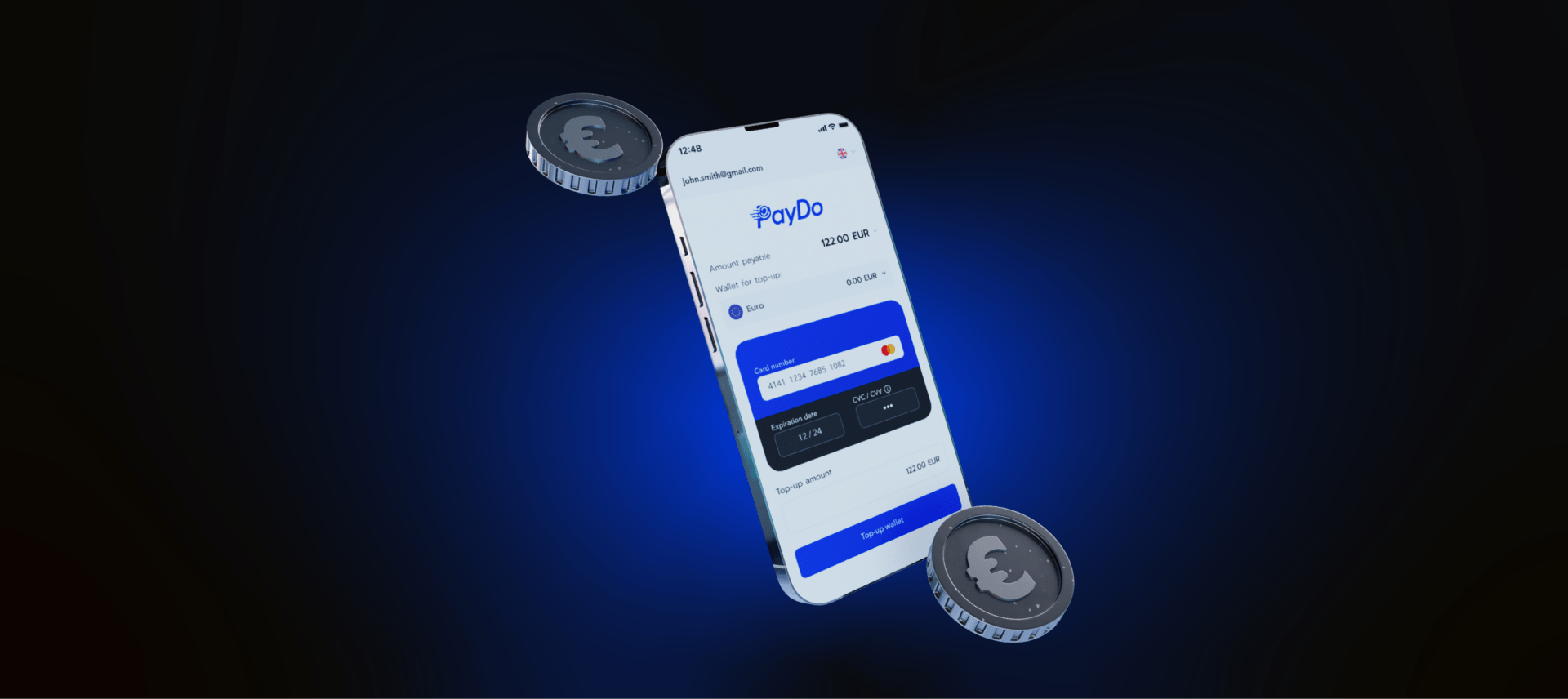
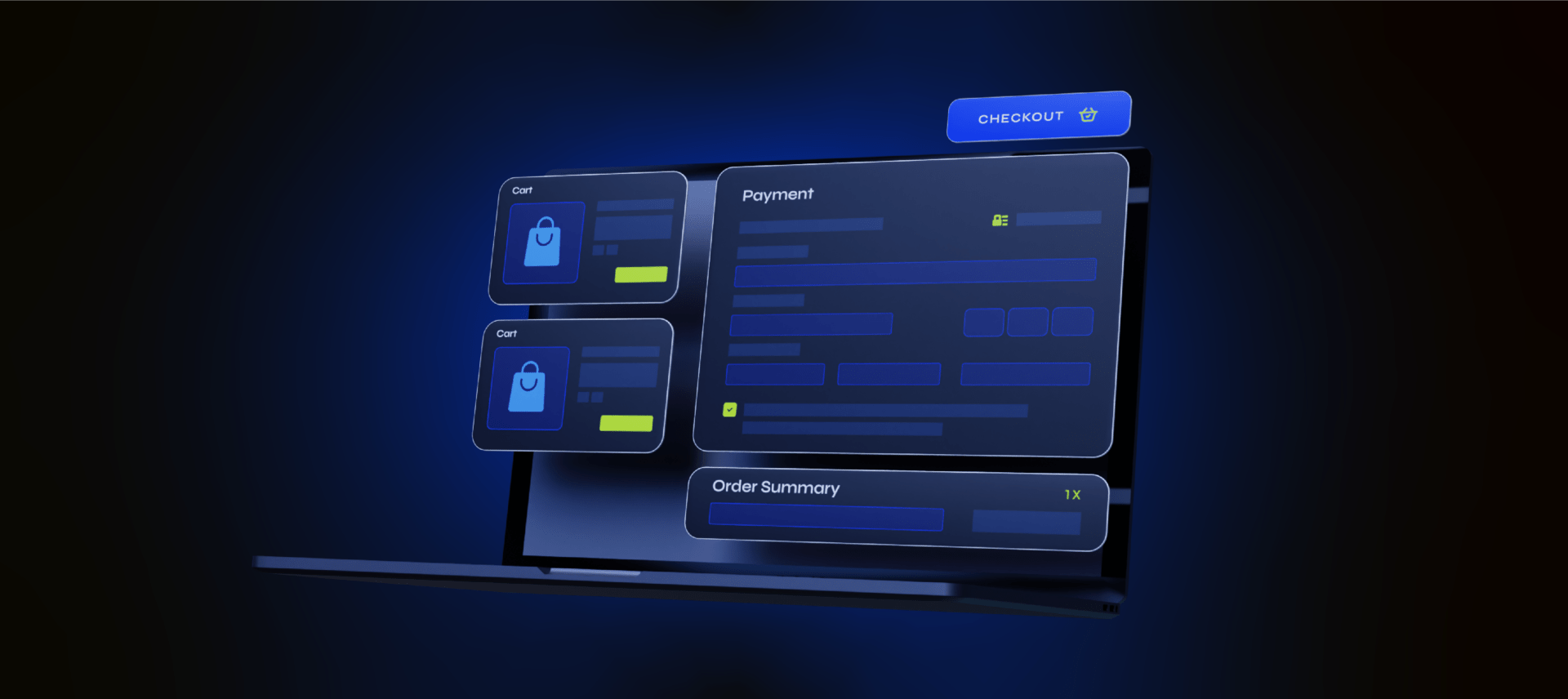
With PayDo Checkout integration, you can give your customers 350+ checkout payment methods from around the world for easier payments. We automatically show available payment methods based on their country, determined by their browser and IP location. The checkout displays your customers’ local payment options and uses the correct language.
PayDo Checkout improves this process for businesses by providing adaptable services to create a checkout experience that customers love. and then talk about our IP geo location. Our system cuts down on the things that make checkout slow, helping businesses avoid losing customers along the way. For example, we provide coverage in 170 countries to better reach your audience.
With our one-click payments, your customers can pay with a single click. There’s no need to enter credit card & data every time, leading to higher conversion rates. Your payers can save an unlimited number of cards instantly.
PayDo routing and cascading features help you to prevent declined transactions. We assist in directing transactions to channels most likely to approve them, thus reducing declines.
You can access all major payment methods with one contract and single API integration. No need for different contracts for each payment method. Integrate all methods through 1 payment scheme.
By catering to your customers’ needs and preferences, wherever they are in the world, you can build trust and vastly increase the chances of a successful purchase.
Conclusion
A successful checkout process involves offering customers with the right payment methods tailored to their needs.
The ideal setup varies based on your business’s unique requirements. Of course, there’s no one-size-fits-all solution. However, a personalised approach is essential.
At PayDo, we can assist you in pinpointing and activating the payment methods that align perfectly with your brand and audience. This will decrease abandoned carts, increase conversions, and fortify your business by cultivating a loyal, involved, and content customer base.
Create a PayDo Merchant Account and integrate our merchant services solution to sell your goods and services worldwide via 350+ checkout payment methods.
The 30-Second Summary The fastest way for a digital goods platform to pay sellers in Europe and the UK is an instant transfer: SEPA Instant for euros and Faster Payments...
The 30-Second Summary Low transaction fees look like the obvious way to compare payment providers. Skin store owners start with the rate on the price sheet because it is the...
The 30-Second Summary A payment gateway for a game key store has one job: get buyers’ card payments approved and keep the account open as volume grows. For game key...
The 30-Second Summary SEPA Instant sends euros within the SEPA area in up to 10 seconds, 24/7. SWIFT works in almost any currency, but a transfer usually takes 1–2 business...
The 30-Second Summary In the fast-paced and ever-changing iGaming industry, what are the current best online casino payment methods? Today, we are taking a snapshot for 2025, when the iGaming...
The 30-Second Summary A Money Services Business (MSB) is a type of financial institution that offers various money-related services, such as money transfers, currency exchange, and check cashing. It is...
The 30-Second Summary Electronic Money Institutions (EMIs) and Money Services Businesses (MSBs) are becoming more and more popular. EMIs focus on digital transactions, providing electronic payment services and digital currency...
The 30-Second Summary Phishing remains a major cybersecurity threat, targeting individuals and businesses through fraudulent emails, messages, and websites. According to the Anti-Phishing Working Group (APWG), 3.8 million phishing attacks...
The 30-Second Summary As digital payments continue to grow, payment fraud remains a significant concern. According to Alloy’s 2026 State of Fraud Report, 67% of surveyed financial institutions and fintechs...
The 30-Second Summary A bank account ownership certificate, also known as a bank account certificate or proof of account ownership, is a document that says your bank account actually belongs...
The 30-Second Summary A Company Registration Number (CRN) is a code a business gets during incorporation. It acts as a distinct identifier for your company. It helps to differentiate your...
The 30-Second Summary Imagine each bank branch with its unique postal code — that’s what a branch code or sort code is in the financial world. It’s a set of...