Recently we talked about what a digital wallet is, but what is the best digital wallet? As of July 2025, there are more than 80 digital wallet brands to choose from. This article will provide advice on how to shrink that number to select few viable options and ultimately find an eWallet that works for you.
Why Digital Wallets Matter Today
The current landscape of spending is all about convenience. The world is evolving from digitalized versions of real-life services to entire digital-native marketplaces, where maximum speed and accessibility make up the baseline of client expectations. For businesses and independent spenders alike, time is money: we want our transactions to happen anytime, anywhere, safely, and as fast as possible.
Digital wallets respond to all of these expectations by being:
Convenient. The whole spectrum of financial services now exists inside your phone.
Fast. One-click payments do not ask for the whole card number or the pin and go through instantly.
Secure. No financial technology can top digital wallet when it comes to safety: the measures used to protect eWallets are oftentimes more modern and diverse than the ones used by credit card issuers and processing networks.
Global. Digital wallets are extremely widespread and save their users money on currency conversions.
How to Choose a Digital Wallet?
The first steps of choosing the best digital wallet are all about research. Virtual wallets serve different financial purposes, so pin down what kind of functions you want, and how you want them to be protected.
Understand Your Payment Needs
Would you like to tie your digital wallet to a bank account or open a wallet that does not require a bank account at all? Do you intend to use traditional currency or crypto? Is the main purpose of your wallet to store money, purchase goods and services, perform transactions to other wallets, or a combination of these options? These are good questions to inform the general direction of your search and determine which digital wallet is best for your needs.
Compare Security Features
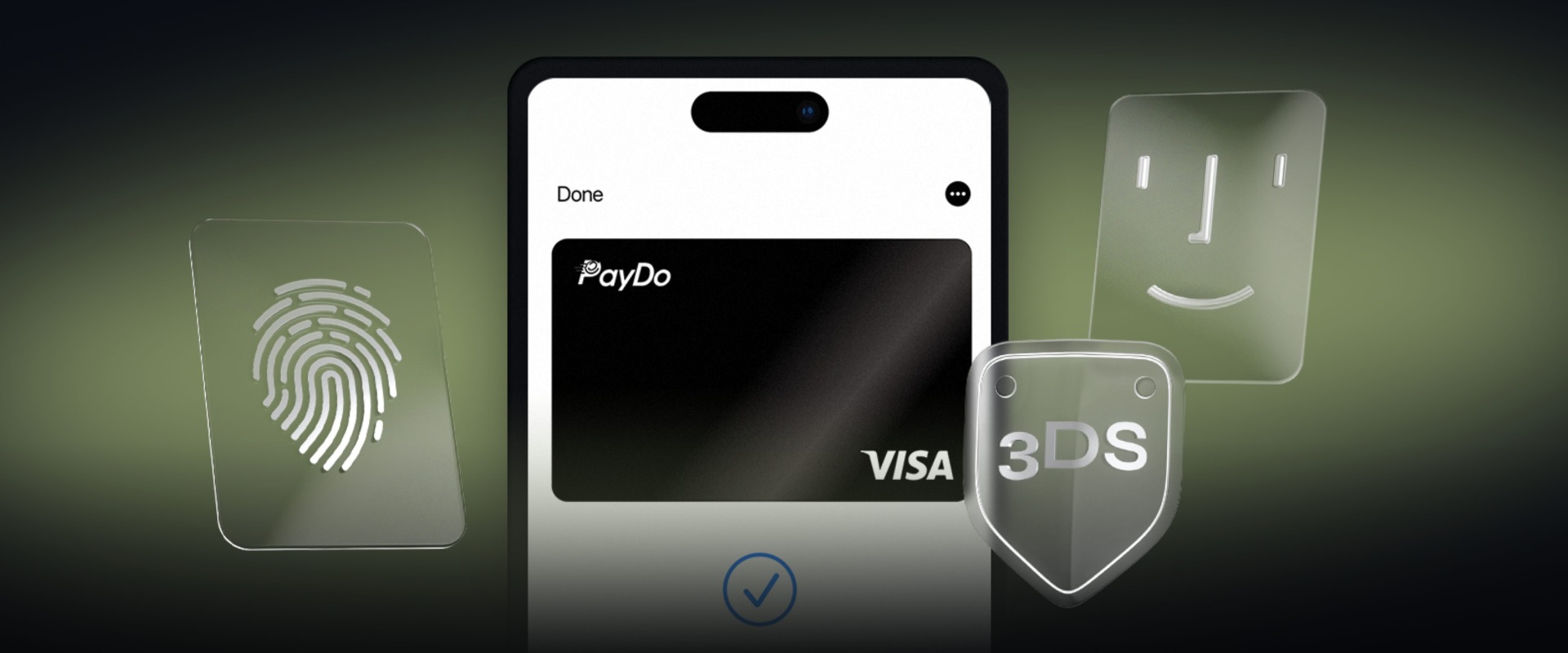
Casual users of any financial technology are used to pin codes and fraud detection systems, but digital wallets tend to go the extra mile and have extra layers of protection in place. Choose which security features resonate with you, but remember that the best online wallet will combine at least two.
Encryption: this feature scrambles the transaction data into unreadable code that can become usable again, after inputting a decryption key.
Tokenization: a mandatory feature for most digital wallets, it protects every transaction with a new single-use token that is useless to hackers.
Multi-factor Authentication: a combination of several protection methods like a password and a one-time code sent to a different device.
Biometric Authentication: the most frequent way to do this is with a fingerprint scan, although some wallets, like Apple Wallet and Apple Pay, also support Face ID.
What Are the Three Types of Digital Wallets?
The three types of digital wallets are closed, semi-closed, and open. Here’s how they differ:
A closed wallet is only applicable inside of a certain brand’s infrastructure. The user puts a certain amount of money on the balance and can only spend it on the products of the wallet’s brand: Starbucks, Amazon. This is the best digital wallet for targeted controlled spending at specific stores.
A semi-closed wallet functions within a broad spectrum of connected infrastructures. For example, Apple Pay and Google Pay integrate with competing operating systems, but it is equally possible to use both in most situations. However, in niche scenarios like attending sponsored events, using a semi-closed wallet of the sponsoring brand can grant the user small benefits like discounts and cashback. Semi-closed is the best eWallet for striking a balance between versatile payment options and perks affiliated with a certain company.
An open wallet not only allows users to pay for goods online and offline; it integrates the features of a banking app, facilitating transactions between wallets and granting cash withdrawals at supporting ATMs. These make the best virtual wallets for users who want the full functionality of e-banking, complete with maximum access and convenience.
What is the Most Widely Accepted Digital Wallet?
Today, the number of people using digital wallets has reached billions. The most widely accepted and frequently used digital wallet is PayPal. The J.D. Power 2024 Digital Wallet Satisfaction Study has found that 40% of their respondents use PayPal; 28% use Apple Pay; 22% use Venmo; and 19% use Cash App Pay.
PayPal is accessible in more than 200 countries, making it a strong contender for the title of the best international eWallet. It is an open type of digital wallet, which means it provides its users the most variability in handling their financial operations:
Online payments;
Sending and receiving money;
Taking out cash;
Managing finances.
Best eWallet Without Bank Account
Many digital wallets issue their own virtual and physical cards that exist independent of the user’s bank account; the tricky part starts when the user needs to put money into the wallet. The best online wallet that can work without a bank account will fall into one of these categories for top-ups:
Prepaid cards or gift cards. For this method, the best eWallets are Apple Pay and Google Pay. They are immensely popular and will grant you the most versatility.
Peer-to-peer payment apps. It is possible to receive and store money in apps like Venmo and Cashapp, but the option to perform instant transfers yourself is reserved for users with a bank account.
Crypto wallets. Most wallets that are non-custodial (the user is fully responsible for their keys and overall security) make it possible to do all sorts of transfers with crypto accounts without relying on a bank; Bitcoin ATMs even allow users to take out cash. Note that buying the first batch of crypto without a bank account might prove tricky and involve one of the two methods listed above.
Best Digital Walet for Cryptocurrency Transactions
Cryptocurrency wallets do not operate in the exact same ways as the rest of digital wallets. Despite cryptocurrency having no analogs in the material world, it is possible to have a “cold” cryptocurrency wallet – a physical device that stores your crypto data and functions similarly to a regular wallet or savings account. All of the eWallets for cryptocurrency transactions will fall into the other crypto-wallet category called “hot”, which refers to either computer software or a mobile app meant for crypto. The best digital wallet among them will depend on your preferred cryptocurrency and how you choose to spend or invest it. Crypto investors tend to prioritize:
DeFi – decentralized finance; a growing system of open and decentralized financial services independent of banks and other intermediaries.
With these priorities taken into account, here’s how the top-rated digital wallets for financial services in crypto compare:
Wallet
Platforms
Supported Coins
Token Swap
Staking
DeFi Integration
Phantom
iOS, Android, Web
Solana, Ethereum, Polygon, Sui
✅ Yes
✅ Yes
✅ Yes
Exodus
iOS, Android, Windows, Mac, Linux
100+ (BTC, ETH, SOL, ADA, etc.)
✅ Yes
✅ Yes
❌ Limited
MetaMask
Browser extension, iOS, Android
Ethereum, ERC-20, BSC, others
✅ Yes
❌ No
✅ Yes
Rabby
iOS, Android (and browser extension)
Ethereum, EVM chains
✅ Yes
✅ Yes
✅ Yes
Zengo
iOS, Android
BTC, ETH, DOGE, 120+ assets
✅ Yes
✅ Yes
✅ Yes
Study the security features each of these wallets offers. The world of cryptocurrency is way less regulated than traditional banking, which makes it full of unorthodox innovative ways to ensure your funds are safe. The best digital currency wallet will offer you several options. Those could include passwords, private keys stored on the device, an option to get a “cold” hardware wallet and many other unique options, so do your research.
Comparing Top Digital Wallet Providers in 2025
With more than 80 digital wallets on the market, narrowing your choices down to the best providers is key. In this section, we compare leading brands based on features, accessibility, fees, and unique strengths to help you make an informed decision and see which digital wallet is best for your spending style and financial needs.
Apple Pay and Google Pay
While PayPal may be the most widely-accepted open digital wallet, the world of semi-closed wallets is in a state of clear duopoly between Apple Pay and Google Pay. These wallets come built into the iOS and Android systems, so it is easy to see why most smartphone users will use whatever is already on their device as the default. However, when given an opportunity to choose the best digital currency wallet for yourself, these are important differences to consider:
Category
Apple Pay
Google Pay
Platform Exclusivity
Exclusive to Apple devices (iPhone, iPad, Apple Watch, Mac)
Available on Android, Wear OS, and web (limited iOS support)
Browser Support for Online Payments
Works mainly in Safari on Apple devices
Works in Chrome and other browsers (Android & desktop)
Peer-to-Peer Payments
Apple Cash (US only)
Google Pay P2P available in select countries
Payment Source Options
Credit/debit cards, Apple Cash, select transit cards
Credit/debit cards, PayPal, select transit cards
Loyalty & Rewards
Stores passes, tickets, and rewards via Wallet app
Stores loyalty/reward cards natively in the Google Pay app
Privacy Approach
Doesn’t track purchases; emphasizes user privacy
May use purchase data for ad personalization (user can opt out)
Availability by Country
Over 80 countries
Over 40 countries
Cryptocurrency Integration
No support
Limited, via integrations (e.g., Coinbase)
Security Method
Secure Element, Face ID/Touch ID, device-specific tokenization
Tokenization, biometric/PIN protection, backed by Google security
Web Usage (Cross-platform)
Limited to Safari/macOS and iOS
Cross-platform via web (usable on desktop and iOS to a degree)
PayPal and Skrill
PayPal and Skrill are two of the top digital wallet companies. While PayPal dominates the global e-commerce and personal payments space, Skrill is especially popular in online gaming and currency trading. Both offer reliable services, but their primary use cases, fees, and regional strengths differ.
Category
PayPal
Skrill
Primary Use Cases
E-commerce, personal payments, business transactions
Online gambling, forex trading, remittances, personal payments
Availability
Available in 200+ countries
Available in 130+ countries
Supported Currencies
25+ currencies
40+ currencies
Transaction Fees (Domestic)
Free for personal transfers (bank-funded, U.S. only)
Low-cost, but often not free
Transaction Fees (International)
Higher fees (~5% + FX markup)
Generally lower than PayPal for remittances and forex
Yes (buy/sell/hold over 40+ coins, broader availability)
Gambling & Betting Use
Often not accepted by gambling sites
Widely accepted for gambling & betting
Mobile App Experience
Robust, widely used, intuitive
Functional, less refined UI
Security Features
2FA, buyer protection, fraud detection
2FA, encryption, enhanced security for VIPs
Buyer/Seller Protection
Strong buyer/seller protection
Limited buyer protection (mostly for merchant payments)
Integration with Platforms
Widely supported (eBay, Shopify, major e-commerce tools)
Commonly used on forex brokers, gaming, and niche platforms
Why PayDo Stands Out Among Digital Wallets
PayDo’s banking solution is a sophisticated all-in-one tool that can be used as a digital wallet, complete with our own virtual and physical cards. We are high-risk friendly, making our product the best international eWallet for Crypto, Forex, iGaming, e-Commerce, and other unorthodox industries.
Multicurrency Support & Easy Setup
PayDo offers dedicated multicurrency IBANs for personal, as well as business accounts. These allow SWIFT, SEPA, Faster Payments (FPS), and SEPA Instant transfers in 13 currencies with 50+ coming soon. Cross-border and 3rd party payments can happen to and from more than 140 countries, and even though our product is easy to set up and navigate, every new user gets help from a manager specializing in PayDo onboarding. Clients can have a business account in as little as five business days with a standard set of documents.
Advanced Security and Compliance
We operate under FINTRAC (Financial Transactions and Reports Analysis Centre of Canada) license and a UAB (Authorised Electronic Money Institution) license in Europe. PayDo adheres to Know Your Customer protocols, uses anti-money laundering (AML) and counter-terrorist financing (CTF) services. We comply with the EU’s new Payment Services Directive 2 (PSD2), which includes stricter security and transparency requirements, as well as PCI DSS (Payment Card Industry Data Security Standard) Level 1, which is the most stringent level of certification for organizations that handle credit card transactions.
User-Friendly Dashboard for All Payments
Even the best eWallet in the world can be rendered unusable by poor design. PayDo’s banking solution prioritizes simplicity and offers maximum control and transparency for its users. All of the cards and currencies immediately show up on the main page, complete with history of transactions. We allow users to download their financial position statement dating back a year, and to perform new transactions all over the world with just a couple clicks.
What to Check Before You Sign Up
Before committing to any digital wallet, it’s important to review the fine print and evaluate how the product aligns with your needs. This brief checklist is enough to select the best digital wallet for everyday use:
Supported countries and currencies
Type of wallet (open, semi-closed, closed)
Transaction and conversion fees
Security features and compliance
Integration with your devices and platforms
Customer support availability and quality
Future Trends in Digital Wallet Technology
The digital wallet technology is constantly expanding with new cutting-edge solutions. Here’s what to look out for in the nearest future:
Super-wallets. Building on the unlimited functionality of open wallets, super wallets incorporate features that go beyond banking: food deliveries, social networks, car-sharing, and more. Right now this concept is still in its infancy, but with the universal strive towards maximum convenience, the best virtual wallets are likely to lean into the all-in-one approach.
More blockchain, more crypto, more AI and ML. All of these trends have experienced consistent growth over the last decade, with generative AI booming after ChatGPT release in 2022. They continue to be relevant today and we are likely to witness more developments in these directions as wallets embrace decentralized finance and incorporate more AI algorithms to track fraud, make 24/7 chat bots, and more.
Still Comparing? Try PayDo and See the Difference
Choosing the right digital wallet can be overwhelming, but PayDo offers a strong blend of security, usability, and international functionality. Whether you need seamless cross-border transactions, a fast setup for business accounts, or access to advanced security features, PayDo delivers a well-rounded solution for both personal and professional use. Try it today and never look back.
FAQ
How Do I Open a Digital Wallet?
Use the information from this article to choose the type of digital wallet you want. Find the app for this type of wallet from your app store (Google Play, Apple App Store), download it and follow the set-up instructions inside. Add your payment cards into the digital wallet and wait until they are verified. After that, your digital wallet should be ready to use for online purchases and contactless payments in the real world. If confused, reach out to the digital wallet’s support desk – most digital wallet apps have a live chat with experts who will be happy to facilitate your setup.
Does It Cost Money to Use a Digital Wallet?
No, it does not cost money to use a digital wallet. Most digital wallets charge no direct fees for downloading the app and making transactions, but the provider of wireless internet may incur potential data charges for using the wallet. This means that while the digital wallet itself is technically free, there might still be small indirect fees that it causes.
Where Can I Use My Digital Wallet?
You can use a closed digital wallet in online and offline stores of its parenting brand. You can use a semi-open or an open digital wallet in any location that accepts contactless payments online and offline.
Is a Digital Wallet Better Than a Card or a Banking App?
Few fintech solutions can best digital wallet for online payment in terms of security, convenience, and speed of use. When it comes to the overall scope of services, a banking app is likely to have more offers, where a credit card is great for making payments without cell coverage or when the phone battery is dead.
The 30-Second Summary The fastest way for a digital goods platform to pay sellers in Europe and the UK is an instant transfer: SEPA Instant for euros and Faster Payments...
The 30-Second Summary Low transaction fees look like the obvious way to compare payment providers. Skin store owners start with the rate on the price sheet because it is the...
The 30-Second Summary A payment gateway for a game key store has one job: get buyers’ card payments approved and keep the account open as volume grows. For game key...
The 30-Second Summary SEPA Instant sends euros within the SEPA area in up to 10 seconds, 24/7. SWIFT works in almost any currency, but a transfer usually takes 1–2 business...
The 30-Second Summary In the fast-paced and ever-changing iGaming industry, what are the current best online casino payment methods? Today, we are taking a snapshot for 2025, when the iGaming...
The 30-Second Summary A Money Services Business (MSB) is a type of financial institution that offers various money-related services, such as money transfers, currency exchange, and check cashing. It is...
The 30-Second Summary Electronic Money Institutions (EMIs) and Money Services Businesses (MSBs) are becoming more and more popular. EMIs focus on digital transactions, providing electronic payment services and digital currency...
The 30-Second Summary Phishing remains a major cybersecurity threat, targeting individuals and businesses through fraudulent emails, messages, and websites. According to the Anti-Phishing Working Group (APWG), 3.8 million phishing attacks...
The 30-Second Summary As digital payments continue to grow, payment fraud remains a significant concern. According to Alloy’s 2026 State of Fraud Report, 67% of surveyed financial institutions and fintechs...
The 30-Second Summary A bank account ownership certificate, also known as a bank account certificate or proof of account ownership, is a document that says your bank account actually belongs...
The 30-Second Summary A Company Registration Number (CRN) is a code a business gets during incorporation. It acts as a distinct identifier for your company. It helps to differentiate your...
The 30-Second Summary Imagine each bank branch with its unique postal code — that’s what a branch code or sort code is in the financial world. It’s a set of...