The collaboration brings expanded SWIFT receive capabilities into PayDo’s existing platform, helping customers manage incoming and onward international payments through a more connected experience.
By bringing Convera’s global payment capabilities into PayDo’s existing platform, customers will be able to receive funds via SWIFT and manage onward payment flows through a more connected experience, without PayDo having to build the underlying capability independently.
Extending SWIFT Receive Capabilities Without Additional Banking Infrastructure
For payment providers, enabling clients to receive funds via SWIFT can require additional banking relationships and significant supporting infrastructure. Through its partnership with Convera, PayDo can extend this capability through its existing platform, reducing the need to build and manage that infrastructure independently.
The integration also strengthens the way payments move through PayDo’s platform. Connecting PayDo’s client experience with Convera’s global payment network delivers fewer provider relationships, easier reconciliation, and a clearer receive-to-onward-payment workflow.
PayDo processes over €5 billion annually for more than a thousand businesses across e-commerce, digital goods, iGaming, IT and Tech, and financial services. Its model is built on reducing the fragmentation that can force businesses to maintain separate relationships for acquiring, accounts, payouts, and currency conversion. Convera extends that approach to receiving and moving funds internationally, giving PayDo a way to add SWIFT receive capabilities through its existing platform.
“Our aim is to give businesses one simpler way to manage the different stages of their payment journey”, – said Serhii Zakharov, CEO and founder of PayDo. “Working with Convera enables us to extend how clients receive international funds through the PayDo platform and move them onward with less operational complexity”.
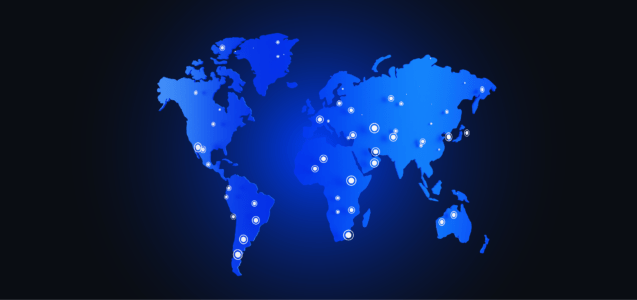
Convera combines global payment infrastructure with more than 40 years of foreign exchange and cross-border payments expertise, moving nearly $200 billion in payments annually. Its network supports more than 140 currencies across 200+ countries and territories. Bringing that scale and capability into PayDo’s platform will help create a more connected experience for businesses receiving and moving money internationally.
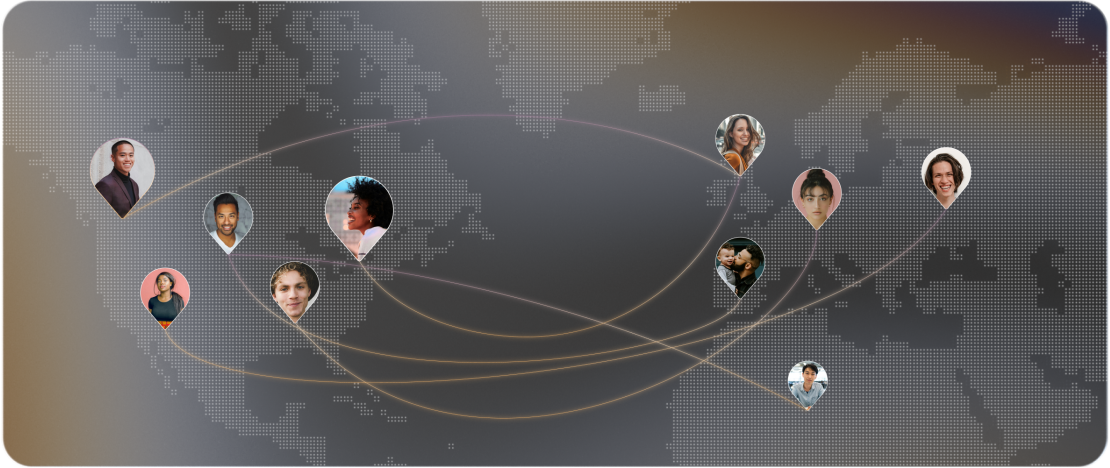
“Growing businesses need international payments to work as one connected flow, not as a series of separate accounts, providers and integrations”, – said Meaghan Riley, Chief Commercial Officer at Convera. “By combining PayDo’s client experience with Convera’s global payments network and expertise, we are making it simpler for businesses to receive and move money internationally as they grow”.
Building a More Connected International Payment Experience
Working with Convera, supports PayDo’s strategy of bringing complementary payment capabilities into one client experience. By extending that model to international payment receipt and onward processing, PayDo can serve a broader range of customer payment needs while maintaining a simpler, more connected experience.