The evidence shows the average cost of a single chargeback is expected to reach $190 this year. In addition, on average, merchants lose $3.75 for every dollar lost to chargebacks. With such an adverse tendency, marketplaces constantly lookout for solutions to mitigate chargeback risks.
As an electronic money institution (EMI) with multiple marketplaces as clients, PayDo knows the importance of chargeback prevention. We have witnessed some key client pain points in this realm and want to share what solutions were adopted to address them.
The Challenge
The challenge with chargeback and acceptance rate is all about two key aspects – security and variety. The lack of proper security measures creates the foundation for chargebacks, while the lack of diverse payment options granted to buyers and sellers decreases the payment acceptance rate. Let’s explore these aspects in greater detail.
1. Verification and security
PayDo knows—security is paramount. Several instances of our experience working with marketplaces showed how security and verification issues lead to higher chargebacks. Pinpointing the security aspect, these are things to consider:
Sellers’ and buyers’ verification
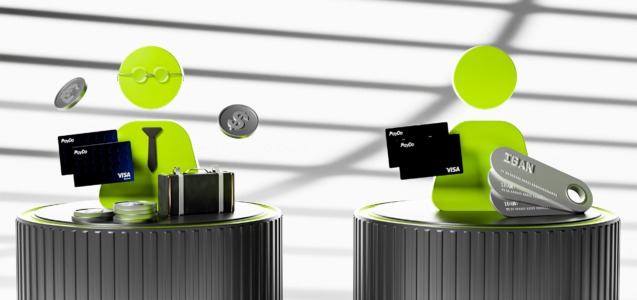
For a marketplace, verifying buyers and sellers is vital to eliminate the preconditions for a chargeback. To illustrate, if a buyer has questions regarding the purchase on the marketplace, one will first contact the seller. If a seller is unreachable, the buyer will appeal to the marketplace. If a marketplace cannot contact a seller on its side, the only scenario for a buyer is to initiate a chargeback and for a marketplace to accept it. Respectively, this happens when a marketplace does not properly verify sellers and buyers.
Additional security measures
Without proper measures like tokenization and 3D-Secure (3DS), businesses are exposed to the risk of data breaches, leading to potential chargebacks and reputational damages. Namely, security failures erode buyers’ and sellers’ trust, making them hesitant to transact with the business again. In addition, marketplaces that do not offer 24/7 support and fast dispute resolution are also at risk of getting more chargebacks.
2. Limited payment options and methods
PayDo witnessed another aspect leading to low acceptance rates linked to limited choice payment options and methods marketplaces offer.
- This leads to losing international buyers and sellers who prefer to transact in their local currency or through specific payment methods.
- Without a broad range of payment methods, businesses may be trailing behind competitors, offering more flexibility.
Marketplaces PayDo worked with have shown how this lack of diverse payment options directly impacts the acceptance rate. It limits the number of marketplace users and makes purchases less appealing—the result—cancelled purchases and lost sales.
The Solutions
Understanding the ins and outs of the chargeback and acceptance rate challenge, PayDo deconstructed the problem our clients face and worked out, as well as successfully tested these solutions:
1. High-grade chargeback protection
Working with PayDo encompasses passing several verification phases. It means we can take verification into our own hands and ensure a marketplace has legitimate buyers and sellers that do not create the preconditions for a chargeback.
This works in the following manner:
- To transact via PayDo, buyers and sellers create a PayDo personal account, which entails a verification process.
- PayDo integrates an automated KYC, which means buyers and sellers must undergo an additional verification step when engaging in a payment process.
- PayDo presents a chargeback protection feature. This means buyers can make purchases from their PayDo account balance, thus minimizing the chargeback occurrence in the first place.
In such a case, PayDo verifies buyers and sellers as an all-in-one platform, thus partially taking this burden off the marketplace’s shoulders. Our platform is an additional guarantee, ensuring buyers and sellers are legitimate.
Data and transaction protection
Along with buyer and seller verification, PayDo integrated security measures, protecting PayDo users’ funds. This part of the solution entails these protective measures:
- Automated and self-optimized fraud management solution.
- 3D-Secure (3DS) authentication for every card payment.
- Tokenization to prevent data breaches and loss of sensitive information.
At this point, to prevent chargebacks, PayDo created a secure platform focusing on verification that ensures buyers and sellers are legitimate. Unifying these two nuances reduces the number of chargebacks without losing the acceptance rate.
2. An array of payment opportunities
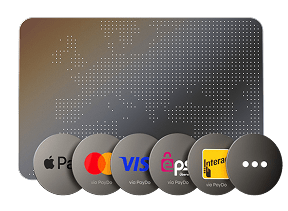
When dealing with the second part of the challenge, namely the lower acceptance rate, we worked out this solution—a well-designed checkout supporting 350+ payment methods in one integration. Buyers and sellers can now have both deposits and payouts available to them at any given moment. A PayDo user can deposit to their PayDo account and conduct the payout within the same account.
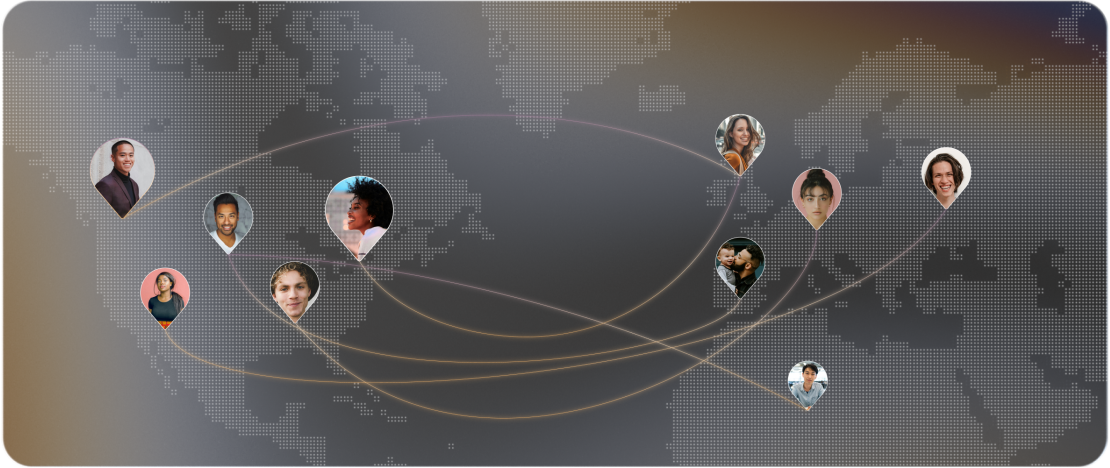
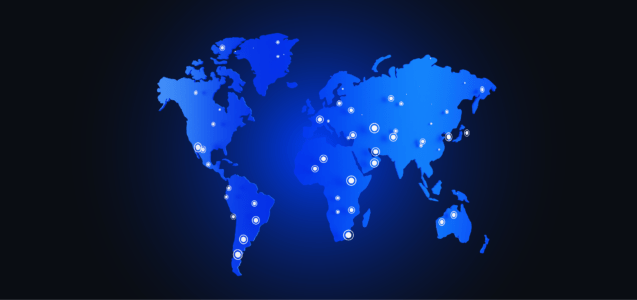
Along with 350+ payment methods ensuring an array of payment choices buyers and sellers have, PayDo also presents coverage in 170 countries to help reach a broader audience. With PayDo, buyers and sellers get a range of payment opportunities they prefer. In the end, this leads to higher acceptance rates and increased sales.
The Outcome
To prevent chargebacks, PayDo makes sure buyers and sellers are legitimate, and there are almost no preconditions for a chargeback in the first place. Besides, along with an emphasis on verification, our platform focuses on security to ensure buyers and sellers funds are fully protected. Finally, PayDo offers a solution entailing a checkout with numerous payment methods and a broad outreach to improve the case with the acceptance rates.
Start with PayDo today and drive those chargebacks to zero.